
Add Row
Add Element
cropper
update
Trusted Local Realtor
update
Add Element
  • Home
  • Categories
    • we buy houses
    • sell your house fast
    • stop foreclosures
    • baltimore
    • Extra News
March 15.2025
3 Minutes Read

Understanding the Mortgage Commitment Letter: Essential Insights for Homebuyers

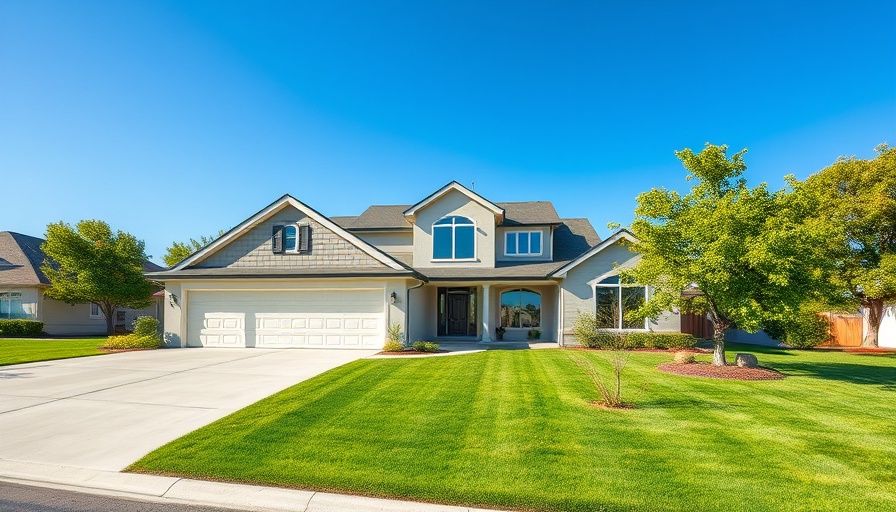
Modern suburban house ideal for mortgage commitment letter context.

Understanding the Mortgage Commitment Letter: Essential Insights for Homebuyers

Finding your dream home is an exciting journey, whether it's a beachfront sanctuary in San Diego or a chic condo in downtown Nashville. But as you get closer to sealing the deal, a crucial document stands between you and home ownership: the mortgage commitment letter. This financial lifeline not only solidifies your financing but also bolsters your offer against competitive buyers in the market. Let’s dive into the significance of a mortgage commitment letter and what homebuyers should know.

What Exactly Is a Mortgage Commitment Letter?

A mortgage commitment letter is essentially a formal assurance from your lender confirming that your loan application has been thoroughly reviewed and is set for approval, contingent on final conditions. It's a significant step beyond preapproval, reflecting a lender's confidence in your financial readiness to purchase a home. According to experts, it’s recommended to obtain this letter early in the buying process, particularly in competitive housing markets.

Key Components of a Mortgage Commitment Letter

While different lenders may have varied formats, a typical mortgage commitment letter will include:

  • Loan Amount: The maximum mortgage amount approved by the lender.
  • Loan Type: Classification of the loan, be it conventional, FHA, VA, or others.
  • Interest Rate: The percentage that determines your loan’s cost over time.
  • Loan Term: The repayment schedule for the mortgage, usually spanning 15 to 30 years.
  • Conditions: Any remaining prerequisites, such as appraisals or insurance proofs.
  • Expiration Date: A crucial date indicating when the offer becomes void if the closing isn’t finalized.

Why Is a Mortgage Commitment Letter So Important?

In a market where offers are often competitive, having a mortgage commitment letter can make you stand out as a serious buyer. It demonstrates your financial capability and preparedness, providing reassurance to sellers. Real estate professionals confirm that many sellers won’t consider offers unless accompanied by such documentation, especially for non-cash proposals.

Conditional vs. Firm Commitment Letters

There are generally two types of mortgage commitment letters: conditional and firm. A conditional mortgage commitment letter indicates that your loan is likely to be approved, pending specific conditions. Conversely, a firm commitment states that you’ve met all requirements, and the lender is committed to providing the loan, presenting a robust assurance to sellers.

Real-World Scenarios: What It Means for Buyers

Imagine you find a property you love but face multiple bidders. Presenting a mortgage commitment letter can tip the scales in your favor. Without it, you risk being viewed as less credible, especially if your offer lacks the support of financial backing. In fact, real estate analysts encourage all buyers to secure this document early, helping you to confidently navigate the bidding wars common in today's market.

Steps to Obtain a Mortgage Commitment Letter

To garner this important letter, one must first complete a loan application and provide necessary documentation, such as income verification, tax returns, and credit history. This thorough process allows lenders to assess your financial standing and decide how much they can comfortably lend you. Once you receive your conditional commitment letter, you’re closer to landing your dream home.

However, it’s essential to remember that this letter does not guarantee an immediate closing. Several conditions, including satisfactory home appraisal and final employment verification, must also be satisfied for the firm commitment to be issued.

In addition, be mindful of the expiration date on your commitment letter; if the closing process takes too long and the letter expires, you may need to reapply, which could delay your purchase.

Final Thoughts: Be Prepared for Homeownership

A mortgage commitment letter represents a significant milestone in your journey to homeownership. Not only does it give you an understanding of your purchasing power, but it also serves as a powerful tool to enhance your home-buying offer. By securing this important document early, you elevate your confidence and readiness to succeed in the competitive real estate market.

Are you ready to take the plunge into homeownership? Begin your mortgage application today and turn your dreams into reality!

Extra News
Facebook Twitter

7 Views

0 Comments

Write A Comment

*
*
Related Posts All Posts
01.30.2026

Why Every Real Estate Agent Must Leverage Video Marketing

Update Unlock the Power of Video for Real Estate Success As the real estate landscape evolves, agents who harness the power of video marketing stand to gain immensely. Video content isn't just a tool—it's a bridge that fosters genuine connections between agents and clients, creating trust and establishing expertise. Despite this, many agents still hesitate to explore video marketing, often due to uncertainty about how to start effectively. Embracing video is undoubtedly a path toward capturing more leads, enhancing client relationships, and driving sales. Here’s how to navigate this essential marketing frontier. Why Your Unique Story Matters Every real estate agent has a distinct story that connects them with potential clients. Regardless of the competitive market with over 1.5 million agents, your personal journey can set you apart. Creating a genuine video where you share your background, motivations for entering the real estate business, and personal anecdotes can resonate with prospective clients. People want to work with agents who they feel understand them on a personal level. Highlighting shared experiences or values, such as faith, military service, or career history can yield stronger connections. Essential Buyer and Seller Insights Many potential clients lack clarity about the real estate process. You can simplify this by creating a detailed video outlining essential tips for buyers and sellers. Focus on making the content digestible; avoid overwhelming your audience with industry jargon. Create a long-form video that addresses key insights and break it into bite-sized clips for social media sharing. Such videos not only provide education but showcase your expertise and empathy, making clients more likely to reach out. Analyze and Report on Local Market Conditions Market knowledge is crucial in real estate. Sharing a video that outlines current market conditions in your area positions you as a thought leader in your community. Update your audience regularly, ensuring your insights are timely and relevant. By maintaining visibility in discussions about neighborhood developments, new listings, and market trends, you demonstrate that you stay informed and connected. Real Estate Listing and Neighborhood Tour Videos When showcasing properties, the agent’s presence is essential. Instead of standard property teasers, create engaging video tours where you guide the viewer through the home. Highlight its unique features while allowing your personality to shine through. Additionally, neighborhood tours can draw potential buyers by unveiling local amenities and cultural fabric, clicked and shared easily across platforms. Leverage Testimonial and Client Stories In the realm of real estate, client trust is paramount. Facilitate video testimonials from satisfied clients to provide social proof of your abilities. It's essential that these videos feel authentic—capture them expressing their experiences in a relaxed setting. This not only helps in converting new leads but also strengthens your reputation in the community. In conclusion, video marketing can be a game-changer for real estate agents willing to invest the time and effort. As you grow your video library, remember that authenticity is key. Be yourself and don’t be afraid to make mistakes along the way. With every video, you create connections built on trust and expertise that can pave the way for your success in real estate. Ready to make your mark? Start experimenting with video marketing to grow your client base and strengthen bonds in your community!

01.30.2026

Cracking the Code: How Home Insurance is Calculated and Affects Costs

Update Understanding Home Insurance Premiums: A Complex Calculation Many homeowners often find themselves perplexed when comparing home insurance quotes—two houses that appear similar may come back with drastically different rates. Understanding the various factors that insurance companies use to calculate premiums is essential for making informed decisions about homeownership.Key Factors in Home Insurance Pricing At its core, the price of a home insurance policy is based on risk assessment, including elements such as the property's age and location, as well as the homeowner's claim history. According to Dan Karr, founder of ValChoice, homes situated in high-risk areas for disasters such as fires typically see elevated insurance rates. Similarly, a homeowner with a history of frequent claims might be perceived as having a higher risk for future claims, consequently driving their premiums up. The Cost Breakdown: What You Need to Know The average home insurance premium hovers around $2,424 annually as of late 2025. Yet, this figure varies significantly based on locality. In different regions of the U.S., premiums fluctuate; for instance, homeowners in states prone to flooding like Florida may face higher rates compared to their counterparts in areas less vulnerable to natural disasters. Water Damage: A Significant Factor Water damage is noted as one of the most prevalent and financially damaging causes of home insurance claims. Michael Klein, CEO of The Airoom Companies, points out that the risk of leaks or flooding can significantly impact insurance costs. To mitigate this risk, prospective buyers should consider the state of plumbing systems and the history of water-related issues in the property. How to Lower Your Home Insurance Premium Homeowners can take proactive steps to potentially lower their insurance costs. Simple actions, like installing a monitored security system or making updates to outdated electrical and plumbing systems, can signal to insurers a lower claim risk, possibly leading to lower premiums. Additionally, bundling home and auto insurance may yield discounts。 Emotional and Practical Value of Understanding Insurance Costs Many homeowners may feel overwhelmed at the prospect of entering the world of home insurance. However, grasping the ins and outs can lead to empowerment. Knowledge about the determinants of insurance costs allows homeowners to make calculated decisions that can save them money and stress in the long run. Final Thoughts: Be Proactive and Prepared Understanding what benefits and risks affect your home insurance premiums not only better equips you for future negotiations with insurers but actively seeks to protect your financial investment. Take charge of your homeownership journey by anticipating costs beyond just the mortgage. Whether you are considering an FHA loan or pondering upgrades, know how these elements interplay to shape your insurance landscape.

01.30.2026

Home Insurance Premiums Explained: Age, Materials, and Maintenance Impact

Update Understanding the Key Factors Influencing Your Home Insurance Premium When wondering why your home insurance premium might be higher than expected, the answer often lies with the very house you inhabit. Factors such as the age of your home, the materials used in construction, and the maintenance history all play a significant role in determining your insurance costs. As we explore these elements, homeowners can make more informed decisions that not only enhance safety but also potentially lower financial burdens. Age Matters: The Impact of Home Age on Insurance Costs Understanding how the age of your home affects insurance premiums is crucial. Older homes are generally viewed as higher risks; they often come with outdated electrical systems, plumbing issues, and roofing materials that may not comply with current safety standards. According to industry experts, these conditions significantly impact policy costs. As Wade from Remodel Republic explains, the risks associated with older homes—such as failing infrastructures—result in higher premiums. Not only do insurers see these homes as potential liabilities, but they also account for the increased costs involved in making repairs using older materials, which can be more expensive than modern alternatives. Materials and Code Compliance: Building Safety Standards The materials used in a home’s construction provide insight into its safety and longevity—a key consideration for insurers. Homes built with outdated materials, like galvanized plumbing or knob-and-tube wiring, automatically raise red flags for insurance companies. Marco DeRose from Sweeten emphasizes that upgrading to current code standards can significantly reduce the risk of damage and lower your insurance costs. Homebuyers should prioritize inspections where they can evaluate whether the home’s systems meet today’s rigorous safety codes. Maintenance: The Lifeblood of Your Home's Value Regular maintenance is not just a good practice; it can also signal to insurers that your home is well cared for. Consistent upkeep prevents small issues from becoming significant problems that may lead to expensive claims. A well-maintained property typically translates to lower premiums. For instance, a home with a recently replaced roof or updated plumbing is likely to be seen as a safer investment by insurers. By keeping up with maintenance, homeowners can enjoy the dual benefits of extended home life and reduced insurance costs. Home Location: A Hidden Influence on Premiums While the structural elements of your house matter greatly, homeowners often overlook the impact of location on insurance rates. Areas prone to natural disasters, such as floods or hurricanes, may yield higher premiums due to the elevated risk of damage. Moreover, neighborhoods with high crime rates may lead to increased rates because of the potential for theft or vandalism. Understanding these external factors can be just as vital as knowing your home’s insides. If your home is located in a high-risk area, consider investing in security features or pursuing insurance providers offering discounts for enhanced safety measures. The Future: Proactive Steps to Lower Premiums With all these factors in mind, homeowners should consider adopting proactive measures to reduce their premiums. This may include conducting regular home inspections, upgrading outdated systems, or shopping around for insurers who might offer better rates based on the features of your home. By being proactive about maintenance and upgrades, homeowners can not only protect their properties but also safeguard their finances from unnecessary insurance burden. It's clear that a comprehensive understanding of how a home's features, age, materials, and care can influence home insurance costs is essential for any homeowner. Take these insights to heart, and you may find yourself navigating the world of home insurance with greater confidence and clarity.

Terms of Service

Privacy Policy

Core Modal Title

Sorry, no results found

You Might Find These Articles Interesting

T
Please Check Your Email
We Will Be Following Up Shortly
*
*
*