
Add Row
Add Element
cropper
update
Trusted Local Realtor
update
Add Element
  • Home
  • Categories
    • we buy houses
    • sell your house fast
    • stop foreclosures
    • baltimore
    • Extra News
April 12.2025
3 Minutes Read

Rebuilding Los Angeles: How the Community Can Overcome the Fires' Impact

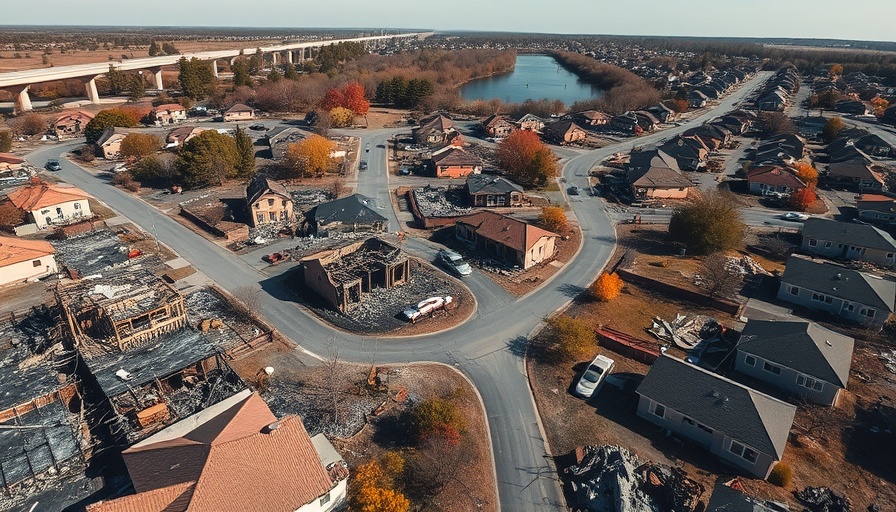
Aerial view of L.A. fires aftermath with damaged homes.

Rebuilding Los Angeles: A Community's Resilience

The recent wildfires that swept through Los Angeles last January left devastating scars on the landscape, but more importantly, they impacted the lives and communities within this vibrant city. Neighborhoods like Pacific Palisades, Altadena, Eaton Canyon, and Malibu were among the hardest hit, with 30 lives tragically lost and over 180,000 residents forced to evacuate. As the city of angels grapples with the aftermath, one question looms: how do we rebuild?

Understanding the Housing Crisis Amplified by Disaster

Before the fires, a housing crisis plagued Los Angeles, with average rents sitting around $2,200 per month, pushing families and individuals to the brink of financial ruin. The destruction of nearly 17,000 structures in the recent fires has exacerbated an already dire situation.

In a city where obtaining affordable housing was already a tremendous challenge, these fires left many homeless, scrambling for temporary shelter in a market that has very little to offer. With rental prices jumping to above $2,500 per month, families are feeling the financial strain more than ever. The demand for temporary accommodations has skyrocketed, further stressing the already fragile housing market.

Hope Amidst Destruction: A Collective Effort to Reimagine the Future

However, amidst the rubble and despair, there is a flicker of hope. Los Angeles' local leaders, organizations, and residents are banding together to plan not just for recovery, but for a future that is smarter and more resilient. The push to rebuild homes that withstand future disasters is becoming a priority.

This effort is not merely about physical structures but about reimagining the urban fabric of Los Angeles itself. Community initiatives are looking at sustainable practices to avoid repeating history and for the city to thrive beyond its past challenges.

During Recovery: Community and Support Systems

The need for support and community solidarity during this difficult time cannot be overstated. Many local organizations have mobilized to provide resources ranging from temporary housing solutions to emotional support services for those affected. Whether it's food drives, counseling services, or rebuilding workshops, there are countless ways for Angelenos to get involved and lend a helping hand.

Those interested in assisting can contribute time or resources, whether through charitable donations or volunteer work with local relief organizations. The community spirit, though tested, has never been stronger, proving that when faced with adversity, L.A. residents pull together to lift one another up.

Emotional Resilience: Finding Strength in Connection

Beyond just homes and physical structures, the fires have disrupted the very fabric of people's lives, causing losses that can't be measured solely in monetary terms. Schools have been damaged, businesses reduced to ashes, and the emotional toll on families is profound.

This shared experience of loss and recovery can be a powerful driving force for collective healing. Community support systems play a crucial role, allowing people to connect, share, and rebuild not just homes but lives too.

Looking Ahead: Building a Sustainable Future

As Los Angeles begins to emerge from the ashes, it is crucial to prioritize sustainable living practices in the reconstruction efforts. The goal is to not only recover from the current devastation but to advocate for a greener, more resilient city structure that prepares future generations.

With proper planning and resilient designs, we can create neighborhoods that are not just rebuilt but also reimagined for the better, ensuring safety and sustainability for years to come.

In these times of uncertainty, let’s remember that recovery will require not just rebuilding homes, but rethinking the way we approach housing and community resilience. It’s a call to action for all who want to help redefine Los Angeles in its path forward. Together, let’s make this a pivotal moment for change.

Consider lending your support to local recovery efforts. Every action counts, from donating to organizations working on the ground to volunteering your time. Together, we can help rebuild not just a city, but a community.

Extra News

4 Views

0 Comments

Write A Comment

*
*
Related Posts All Posts
01.05.2026

How Real Estate Video Marketing Will Convert Clients in 2026

Update Unlocking the Power of Video Marketing in Real Estate As we approach 2026, it's clear that video marketing is not just a trend but a crucial tool for real estate agents looking to succeed. Gone are the days when simply showcasing properties was enough. Today, agents must craft engaging narratives that resonate with potential clients on a deeper level. With that in mind, let’s explore the types of video content that can elevate your real estate game this upcoming year. Story of the Sale: Crafting Engaging Narratives One of the keys to effective real estate marketing is storytelling. The 'story of the sale' video allows agents to showcase their problem-solving skills. Instead of merely celebrating a sale, these videos delve into the journey of selling a home. They highlight challenges, adjustments made along the way, and the agent's strategic approach to achieving results. To make this style compelling, start with a hook that resonates with common seller frustrations. For example, discussing market difficulties is an excellent way to draw in viewers. Then, narrate the process step-by-step, showcasing the dynamics of the sale through real experiences. This not only builds trust but also makes potential sellers feel understood. Building Authority through Local Infrastructure Updates In a world fueled by fast-paced information, being the first to share updates about local developments can set you apart. Infrastructure update videos focus on upcoming projects, allowing you to position yourself as the neighborhood authority. Sharing information about new subdivisions, road expansions, and commercial developments not only captures attention but also creates curiosity among residents and potential buyers. When crafting these videos, consider capturing footage on site. Provide a detailed narrative covering what’s being built, the expected timelines, and the benefits these changes will bring. Utilizing different filming styles, such as drone shots, adds a professional touch that elevates your content. The Impact of Local News Content Interestingly, some of the most successful real estate videos resemble local news reports more than traditional sales pitches. This approach provides invaluable context to residents. Posts focusing on significant happenings within the community—like large employers moving into the area or changes in public transport—cater to a wider audience, making them feel more connected. Avoid a promotional tone; instead, focus on delivering factual, relevant information about changes in the local landscape. This strategy fosters trust, making people more likely to turn to you for real estate insights when the time comes to buy or sell. Benefits of Consistency and Authenticity While the technical aspects of video production can be important, what truly shines through your content is authenticity. People gravitate towards agents who present genuine, relatable narratives. Regularly posting varied content—from story-driven videos to local news updates—keeps you top of mind when potential clients are ready to engage in the market. In an industry where every connection counts, remember that the key to effective video marketing lies not in sheer perfection but rather in the consistent delivery of relevant, valuable content. As agents prepare for a competitive future, focusing on the human element of real estate will make all the difference. Conclusion: Embrace Video Marketing in 2026! As 2026 draws near, it’s essential for real estate professionals to adapt to changing buyer expectations. Video marketing is transforming the landscape and becoming a necessity rather than an option. Getting creative with the types of video content you produce can enhance connections with your audience and showcase your unique selling points. Ignite your video marketing journey today, and watch as you open new doors in your real estate business!

01.04.2026

FHA's Record Reserves Are Key in Today's Rising Delinquencies

Update FHA's Record Reserves: A Critical Buffer Against Rising Delinquencies As we sail into uncertain economic waters, the Federal Housing Administration (FHA) stands out with a sizable financial fortress, boasting a record $189 billion in reserves. This substantial capital not only exceeds the required minimum but also positions the FHA as a crucial stabilizing force in the nation’s housing market. Unpacking the Current State of FHA Loans The FHA's Mutual Mortgage Insurance (MMI) Fund, now at an impressive 11.45% capital ratio, is over five times the 2% statutory minimum. This financial cushion is vital as delinquencies for FHA loans climbed to alarming levels, reaching nearly 12% in October, significantly higher than the 3.34% average for all mortgages. Such statistics underline the growing financial strain many American families face, with rising debt-to-income ratios pushing vulnerable homeowners to the brink of default. New Adjustments: Ensuring Sustainability In response to increasing delinquencies, the FHA has enacted tightened rules for loan modifications, aiming to protect both the integrity of the MMI Fund and the interests of taxpayers. Homeowners wishing to receive assistance must first complete a trial payment plan, establishing a level of commitment before they can move to secure permanent solutions. This measure comes as the FHA seeks to curb the ongoing cycle of redefaults, which have reportedly surged to about 60% in recent months. Rising Risks: Understanding Layered Loans A notable concern is the uptick in “risk layered loans,” defined as loans made to borrowers with multiple risk factors like low credit scores and high debt-to-income ratios. These loans, now comprising 8.4% of all FHA loans, are defaulting at alarming rates, highlighting the need for increased scrutiny. In contrast, the average credit score among FHA borrowers has reached a decade-high, yet many are still overwhelmed by economic pressures. The Fight Against Foreclosures: A Protective Stance Despite the concerning delinquency rates, experts have noted that the FHA's robust financial reserves are instrumental in preventing widespread foreclosures. Enhancements to loss mitigation strategies have considerably decreased the chances of serious delinquencies leading to foreclosure. The FHA acts as a vital safety net, ensuring that lenders incur fewer losses and, ultimately, that homeowners can keep their roofs over their heads even during challenging times. What Lies Ahead: Predictions for FHA and Borrowers Looking ahead, the financial landscape remains unpredictable. Should a downturn comparable to the Great Recession occur, predictions reveal that the MMI Fund’s capital could drop significantly but still stay above the minimum thresholds required by Congress. Such cautionary forecasts remind us of the thin line between stability and fiscal disaster. Final Thoughts: The Importance of FHA Stability With strains on the housing market escalating, navigating the complexities surrounding FHA loans is crucial for homeowners and potential buyers alike. Access to affordable housing hinges upon the FHA’s ability to maintain its capital integrity while simultaneously supporting struggling homeowners. As we consider the present challenges, the FHA’s proactive measures will prove invaluable in keeping the American dream of homeownership alive. The ongoing vigilance in adjusting policies and managing risks will determine the fund's fate in the coming years. The increasing financial pressures on borrowers present both challenges and opportunities for improvement in housing policy and support systems. The FHA's mission to safeguard these homeownership dreams is now more critical than ever. Let’s stay informed, engaged, and supportive of initiatives that protect our communities.

01.03.2026

How Broker and Agent Changes Are Reshaping Real Estate in 2026

Update Real Estate Landscape Transforming in 2026 As we step into 2026, the real estate industry is buzzing with a whirlwind of changes that are reshaping brokerage dynamics. Major players such as Compass, Douglas Elliman, and others are not just expanding their teams but embarking on new strategic alliances that signal a fresh start for agent empowerment and community-focused business approaches. Big Moves by Big Names Compass has kicked off the year with a notable addition: the independent brokerage Town Realty Chicago, which has rebranded as Town Group. This move is particularly significant as it marks Compass's first foray into Chicago's South Side with a dedicated team honing in on local property expertise. Team leaders Meg Mulrenin and Matt McGinnis bring an impressive combined experience of over 30 years and are already generating significant sales volumes. Similarly, Douglas Elliman welcomes back Heather Domi, a prominent broker renowned for her lifetime sales exceeding $2 billion. Domi's return after a decade reflects the vitality of broker relationships, where a strong foundation can yield renewed opportunities for agents and clients alike. A New Era of Brokerage Leadership The shifting landscape of real estate requires brokerages to evolve, prioritizing support, community engagement, and agile leadership practices. In a recent forum, experts emphasized the importance of personalized mentorship rather than merely transactional interactions that often lead to agent burnout. Agents today are craving meaningful connections and a supportive community, which drives firms to redefine their operational models. The Importance of Community in Real Estate Workshops and informal gatherings are becoming tools for fostering collaborative environments among agents. Kendall Bonner of eXp Realty promotes a unique concept called Coffee and Conversations—a peer-led mastermind initiative aimed at enhancing collaboration without the constraints of formal training agendas. Such community-focused approaches enhance morale and productivity, invigorating agents in their daily practices. Preparing for Regulatory Shifts Another layer influencing the real estate market is the impending overhaul of Multiple Listing Service (MLS) policies anticipated in January 2026. The National Association of REALTORS® (NAR) is revolutionizing how MLSs operate, providing brokers more autonomy while reinforcing the need for localized governance. This change is crucial in addressing past issues related to compliance and offer presentations while minimizing legal risks in an ever-evolving market. Embracing Change and the Future The key takeaway for real estate agents is the importance of adapting. Those who are proactive in understanding local MLS regulations and who foster strong relationships within their communities will be at the forefront of success in 2026. As we navigate through these transitions, embracing change will be essential. Brokers, agents, and clients alike must work collaboratively to cultivate bonds that withstand the changing tides of the industry. By being informed about the latest trends and fostering a culture of support within the brokerage, real estate professionals will position themselves for success as the year unfolds. It’s an opportunity—one that can redefine how agents interact with their clients and each other.

Image Gallery Grid

Terms of Service

Privacy Policy

Core Modal Title

Sorry, no results found

You Might Find These Articles Interesting

T
Please Check Your Email
We Will Be Following Up Shortly
*
*
*