
cropper
update
Trusted Local Realtor
update
  • Home
  • Categories
    • we buy houses
    • sell your house fast
    • stop foreclosures
    • baltimore
    • Extra News
March 20.2025
2 Minutes Read

Why Texas’s Unique Culture and Landmarks Make It a Homeowner's Dream

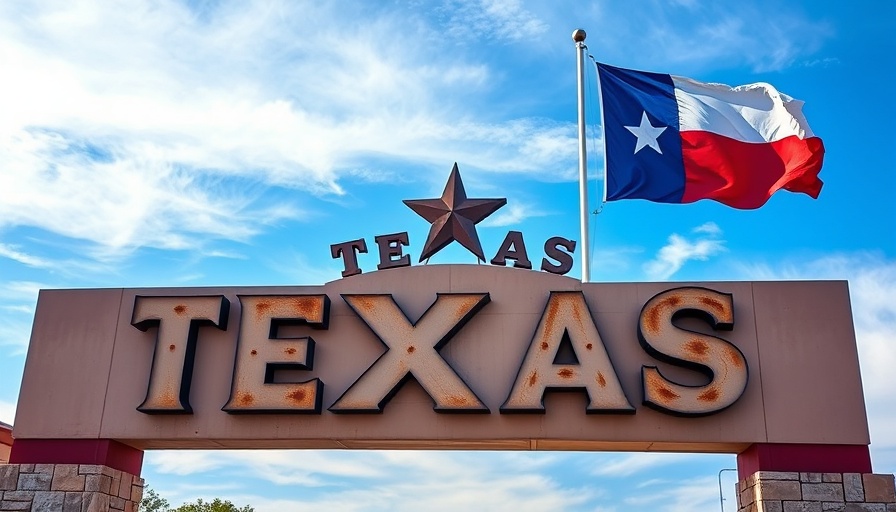
Texas welcome sign with flag, famous Texas facts and landmarks.

Texas: A Culinary Playground

Texas is not just a state; it's a vibrant tapestry of culture, history, and flavors that beckons both residents and visitors alike. When you think about Texas, one of the first things that come to mind is the mouthwatering Texas BBQ. It's not just food; it’s an experience, often associated with robust flavors and slow-cooked tenderness, making it a must-try for any newcomer. Whether it’s brisket, ribs, or links, the variety is boundless. But that’s just the icing on the cake of Texas’s rich culinary scene.

Famous Landmarks that Tell Texas’s Story

The state is peppered with iconic landmarks that showcase its diverse history and heritage. Take San Antonio's River Walk, for instance. This picturesque urban oasis is much more than just a beautiful waterway; it's a living timeline of Texas's past, dotted with historic sites such as the Alamo. Visitors can enjoy leisurely boat tours or dine at waterfront restaurants while absorbing the ambiance of this charming city.

Big Bend National Park also stands as a testament to Texas's breathtaking natural beauty, featuring sprawling deserts and stunning canyons. It's a haven for nature enthusiasts and those seeking to connect with the unspoiled landscapes that offer rejuvenating retreats away from the hustle and bustle of city life.

Modern Attractions Adding to Texas’s Allure

Austin, famously known as the live music capital of the world, blends the modern lifestyle with deep-rooted Texan traditions. The city’s vibrant arts scene and eclectic culture reflect a melting pot of influences, drawing people from all walks of life. Living in or visiting Texas means experiencing a state that constantly evolves while holding on to its historical richness.

The Community Spirit of Texas

At the heart of Texas’s appeal is its people and the sense of community they foster. Whether you’re looking to buy a home in Dallas or rent an apartment in Houston, the friendly faces and warm conversations make the transition smoother. Texans are known for their hospitality and pride in their state, making newcomers feel right at home. 

Why Knowing About Texas Matters

For potential homeowners and real estate enthusiasts, understanding what makes Texas special can greatly influence your decision on where to settle down. From the delicious food culture to the welcoming communities, Texas offers not just houses but homes filled with heart and soul. Exploring Texas means immersing yourself in a blend of traditions and modern lifestyles that continue to shape the identity of the Lone Star State.

So, if you’re on the fence about relocating or investing in Texas real estate, remember the vibrant communities, delicious culinary scene, and iconic landmarks waiting for you. Dive into Texas and discover a world where history, culture, and modern living intertwine beautifully.

Extra News

16 Views

0 Comments

Write A Comment

*
*
Please complete the captcha to submit your comment.
Related Posts All Posts
06.22.2026

How a Local Real Estate Agent Achieved 74% Business Growth Cost-Effectively

Update How a Local Real Estate Agent Achieved 74% Yearly Growth In an era where many businesses are tightening their belts, one incredibly resourceful real estate agent has managed to catapult her business growth by an impressive 74% year-over-year—all while spending nearly nothing. This remarkable achievement is a shining example of how strategic decisions and simple, human connections can lead to success in even the most challenging economic times. Strategic Relationships Over Endless Advertising This agent, a resident of our vibrant community, shifted focus from costly advertisements to leveraging her existing network of clients and relationships. By rediscovering the power of referrals, she built a loyal clientele that preferred her personal touch over faceless transactions. Instead of sinking cash into ads, she nurtured those connections—sending personal notes and checking in with clients who had moved away, creating a friendly reminder of her ongoing dedication to their needs. The Power of Community and Grassroots Marketing By investing her time in local engagement initiatives like neighborhood meet-ups and community volunteer events, she fostered a strong local presence that resonated with residents. These grassroots strategies, which have recently gained recognition in the real estate marketing trends for 2026, emphasize personal connections over traditional high-budget campaigns. Her story exemplifies a major shift towards authenticity; clients today are increasingly drawn to agents who understand their communities and work tirelessly for their best interests. A Lesson in Minimal Budgeting and Maximum Impact While many agents feel pressured to spend lavishly on marketing initiatives, this agent teaches us that minimalism can be a powerful tool. With a focus on essential services like professional photography and organic social media promotion, her financial strategy is effectively redefined, leading to growth without the burden of mortgage-like debts. The focus here aligns with current advice for 2026 from industry experts who stress efficiency and high-ROI strategies, reflecting a lesson that rings especially true during economic downturns. Embracing Technology, While Staying Human Alongside her grassroots approach, she adapted to technological advances by integrating AI tools into her daily routines, which enabled her to streamline tasks efficiently. Automating time-consuming administrative duties allowed her to dedicate more time to client interactions, allowing her to be present and genuinely engaged. In 2026, tools like generative AI can assist agents with creating compelling property listings or managing follow-ups, but her human touch remains irreplaceable. Conclusion: A Blueprint for Future Success The real estate landscape is evolving, and this agent’s story proves that with a focus on relationships, community engagement, and savvy budgeting, significant growth is attainable without prohibitive costs. Agents looking to thrive in 2026 and beyond would do well to adopt her model: nurturing networks over costly advertisements and striking a balance between technology and human engagement. By following these principles, they, too, could see their business soar. Now is the time for local agents to embrace growth opportunities through community connections and efficient practices. Start nurturing those valuable relationships today!

06.20.2026

Unpacking the Impact of Private Listing Networks on Black Homebuyers

Update Understanding the Challenges of Private Listing Networks The real estate landscape is evolving, and with it, significant discussions about private listing networks (PLNs) and their implications for equity in housing. In a recent interview with Ashley Thomas, President of the National Association of Real Estate Brokers (NAREB), he highlighted vital issues surrounding the accessibility and transparency of listing data. This is not merely a contemporary debate; it traces back to an extensive history of exclusion affecting minority groups, especially Black Americans. The Impact of Exclusionary Practices For decades, Black individuals have faced systematic barriers within the organized real estate industry. As Thomas points out, the first 70 years were characterized by a listing system that proactively excluded them. "We understand very well what it means to be on the outside and trying to get in," he stated, emphasizing the historical context of these discussions. The legacies of discriminatory practices such as redlining still impact access to mortgages and equitable pricing for Black buyers and sellers today. A Historical Context for Modern Discussions The ongoing conversation about housing equity cannot omit the significance of American holidays like Juneteenth and Fourth of July. Thomas calls these times reminders of the complex struggle for freedom and equality that has always encompassed homeownership for Black Americans, who historically established communities against tremendous odds. Segregation laws once placed extensive limitations on where Black individuals could live. While the Fair Housing Act and Civil Rights Act were monumental steps toward inclusivity, the shadow of discrimination looms large in today's real estate practices. Thomas notes that financial institutions are still being penalized for redlining, underscoring that true equity remains unachieved. Moving Toward a More Equitable Future As we look forward, Thomas lays out a vision for combating ongoing discrimination through a multifaceted approach. This involves striving for housing affordability, improving access to loans, harnessing equitable technology, and ensuring transparency within multiple listing services. "We have to address these issues now," he asserts boldly, recognizing that delays only exacerbate the wealth and homeownership gaps. The situation is pressing—as we celebrate 250 years of America’s existence, it is crucial that real estate practices evolve to promote true equity. This means not just recognizing the barriers but working actively to dismantle them. Community Action and Engagement Community members and industry professionals alike must engage in open dialogues about these challenges. By fostering connections and sharing stories that highlight these struggles, we can begin to understand the depth of historical inequity and work towards a more inclusive future. In his role as NAREB president, Thomas seeks to inspire this kind of change, aiming for homeownership to be a viable dream for all—especially Black Americans.

06.20.2026

Exploring the Impact of Private Listing Networks on Black Homeownership

Update Understanding Real Estate's Dark HistoryThe conversation around private listing networks and their potential harm to Black buyers and sellers isn’t just an isolated topic; it is deeply intertwined with a long history of discrimination in real estate. Ashley Thomas, president of the National Association of Real Estate Brokers (NAREB), forthrightly outlines the negative impact of private listing networks (PLNs) during a recent interview. For many in the real estate industry, the focus on the technology and innovations governing listings often overshadows the historical injustices that have disproportionately affected Black communities.The Persistent Shadow of DiscriminationFor over seven decades, organized real estate in the U.S. was characterized by systemic exclusion, particularly for Black individuals. Thomas asserts, "For the first 70 years of the organized real estate industry, we had a listing system that was not inclusive." This exclusion has ramifications, not only in homeownership statistics but also in the very fabric of economic inequality observed today. The obstacles erected by discrimination and redlining continue to resonate, reflecting a painful legacy and ongoing challenges.The Role of History in Current Real Estate PracticesAs we approach holidays that reflect on freedom and equality, such as Juneteenth and the Fourth of July, Thomas emphasizes the need for the real estate community to confront this past. "It’s time to remember the barriers that still exist," he insists. The Fair Housing Act may have transformed the landscape by outlawing discriminatory practices; however, the legacy of redlining still affects financial institutions, with repeated fines indicating that the struggle persists.Disparate Access to Housing and WealthThomas calls attention to the growing wealth and homeownership gaps faced by Black Americans today. He argues, “The more time that goes by and we allow discriminatory policies and systems to stand, it waters down opportunities for the Black community.” In doing so, he highlights the urgent necessity for transparency in MLS practices and reinforced equitable technologies that access real estate information fairly.Action Steps for a More Equitable FutureAddressing discrimination requires a comprehensive approach, involving policy reform, community engagement, and the implementation of fair technology systems. Thomas advocates for a proactive stance from legislators, industry leaders, and real estate practitioners to dismantle systemic barriers.This multifaceted strategy not only advocates for equity in housing access but also nurtures community growth and prosperity.Conclusion: Why This Matters NowAs the anniversary of significant milestones for civil rights approaches, the dialogue initiated by leaders like Thomas becomes increasingly vital. His firm reminder that "the fight for freedom and equality has always included access to real estate" invites us to consider how we can contribute to dismantling barriers and nurturing communities moving forward. It is essential that the industry not only remembers the history but actively works towards a more inclusive and equitable real estate landscape for future generations.

Terms of Service

Privacy Policy

Core Modal Title

Sorry, no results found

You Might Find These Articles Interesting

T
Please Check Your Email
We Will Be Following Up Shortly
*
*
*