
cropper
update
Trusted Local Realtor
update
  • Home
  • Categories
    • we buy houses
    • sell your house fast
    • stop foreclosures
    • baltimore
    • Extra News
May 05.2025
3 Minutes Read

Why Are Houses So Expensive Right Now? Key Trends Explained

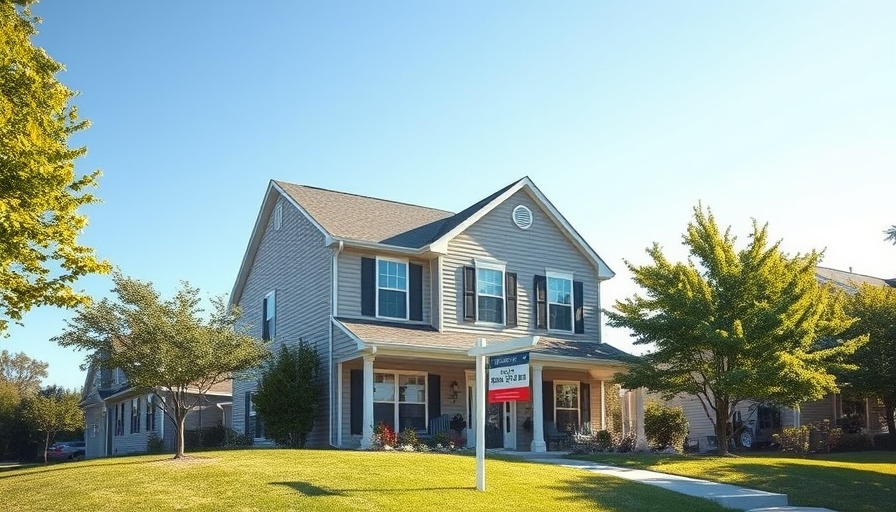
Suburban house for sale in vibrant setting, Why Are Houses So Expensive?

Why Are Homes So Expensive Right Now? The Key Reasons Examined

As anyone looking to buy a house knows, the real estate market has been nothing short of tumultuous. Surging prices, high mortgage rates, and a shaky economy have created a daunting landscape for potential homeowners. The average home price hit a staggering $443,000 in 2024, marking an incredible 30% increase over the last five years. More families are being priced out of the market, pivoting instead toward renting, which is surprisingly more feasible than buying in most major urban centers.

A Longstanding Housing Shortage

One significant factor driving these current prices is a severe housing shortage. For over a decade, the U.S. has faced an alarming trend of underbuilt homes, which traces back to the Great Recession of 2008. Back then, plummeting house prices led to a wave of foreclosures, causing builders to pull back on new constructions. This issue has persistently lingered, particularly affecting the availability of starter homes, which have become nearly impossible to find.

The pandemic further exacerbated the situation as demand surged amidst historically low interest rates. Stuck at home, many young families sought more space, draining what limited inventory existed. With many potential buyers competing for far too few homes, we witnessed a classic supply-demand imbalance.

Impact of Elevated Mortgage Rates

Even as listings are beginning to rise, high mortgage rates are keeping many buyers sidelined. Those who might have jumped at high prices in previous years are feeling a significant pinch, as elevated rates inflate monthly payments significantly. As mortgage costs surge, the dream of homeownership feels increasingly out of reach for many Americans, who now face over a month of waiting to close on homes – nearly 50 days on average versus 40 days in 2024.

This hesitance and market slowdown, however, create a glimmer of hope as price growth begins to slow down, making options available for those ready to buy.

The Shift Toward Renting

It's crucial to note how these dynamics have reshaped our approach to homeownership. For many, renting has become more attractive due to the economic landscape. Whether you're a first-time buyer or looking to downsize, the statistics show a compelling argument: renting often feels like the more financially prudent choice.

As the market fluctuates, this shift forces both buyers and sellers to reassess their strategies. Awareness of market trends can empower you to make informed decisions regarding your housing needs.

Moving Forward in a Complex Housing Market

Now more than ever, understanding these economic realities is vital for potential homeowners. If you're feeling disheartened by the prospect of purchasing a home, it’s important to consider all your options carefully, including the possibility of renting. By remaining informed and flexible, you can capitalize on opportunities as they arise.

For those looking to explore the market further, resources are available to help you navigate the complicated waters of buying versus renting. Visit local listings, consult with real estate agents, or check out affordability comparisons to better understand your personal situation within today's market.

Your Next Step Towards Home Ownership

As you consider your options in this evolving market, it’s crucial to stay informed and engaged. Understanding what drives current home prices not only enriches your knowledge but also equips you to make informed decisions about your future. Don’t hesitate—now is the time to explore working with real estate experts to guide your buying journey. Take proactive steps toward achieving your housing goals as the market continuously shifts.

Extra News

8 Views

0 Comments

Write A Comment

*
*
Please complete the captcha to submit your comment.
Related Posts All Posts
05.28.2026

Busting the Fixed-Rate Mortgage Myth: What Homebuyers Need to Know

Update Understanding Fixed-Rate Mortgages: Debunking Common Misconceptions In today's ever-changing real estate landscape, misinformation about fixed-rate mortgages can have significant impacts on potential homebuyers. One prevalent myth is the belief that a fixed-rate mortgage is the only viable option for financial stability. While it has its benefits, it is crucial to explore the broader context of home financing in 2026. The Evolution of Mortgage Options As we delve into the current mortgage landscape, it's clear that traditional thinking about home loans is becoming outdated. Many people still hold on to the idea that a fixed-rate mortgage is the gold standard, often influenced by their parents' experiences. However, the reality of today's lending environment is entirely different. In 2026, for instance, borrowers have access to various financing options. Many may not be aware that adjustable-rate mortgages (ARMs) can also present substantial advantages, particularly in the initial years of homeownership. These loans often start with lower interest rates than fixed-rate mortgages, allowing buyers to redirect funds toward renovations or other essential expenses without sacrificing their future financial security. What Are the Realities of Home Buying Today? It's important to acknowledge the myths that persist in the minds of potential buyers. The assumption that one must put down 20% to secure a mortgage is historically rooted but misleading. As today's mortgage professionals note, various loan programs exist that allow for down payments as low as 3.5% — making homeownership accessible to a broader audience than ever before. Additionally, the misconception that only individuals with traditional employment can secure a mortgage has dissipated. Contemporary lending practices recognize a wider range of income verification methods, which includes freelancers and self-employed individuals. Borrowers no longer need a W-2 job to demonstrate their stability, allowing more people the chance to fulfill their homeownership dreams. The Role of Credit Scores in Mortgage Approval Another crucial aspect worth noting is the evolving perception surrounding credit scores. While many believe that only individuals with pristine credit histories can qualify for a mortgage, this is a misconception. Today, various programs exist to assist those with less-than-perfect credit scores, thus opening doors that once seemed firmly shut. This approach embraces the reality that life circumstances can affect credit history, and lenders are adapting to meet potential customers' diverse needs. Understanding Your Investment: Rent vs. Buy The debate on whether renting or buying is more affordable is timeless. Many fear they cannot afford a mortgage; however, potential buyers should consider that monthly mortgage payments often build equity, unlike rent, which does not contribute to personal wealth. Recognizing this distinction can empower prospective homeowners to make more informed financial decisions. Taking Action: Navigating Today’s Housing Market Now, with the availability of expert advice and up-to-date information from qualified lenders, it’s crucial for would-be buyers to seek guidance as they navigate their options. Understanding current market trends and available programs can dramatically increase the chances of successful homeownership. Mortgage myths can deter well-meaning individuals from pursuing their dream of owning a home. By educating themselves and dispelling prevalent misconceptions, potential homeowners can take charge of their financial futures. The landscape is continually shifting, and recognizing the nuances surrounding mortgages in 2026 can make all the difference in achieving homeownership.

05.28.2026

Is Living Like Jacob Elordi Worth the Price in Hollywood Hills?

Update The Alluring Appeal of Living in Hollywood HillsDreaming of residing in the glamorous Hollywood Hills, much like famed actor Jacob Elordi? This stunning region isn't just famous for star-studded residents and breathtaking views; it also comes with a hefty price tag that can leave many potential homebuyers astounded. With its mid-century modern architecture, sweeping canyon views, and high-profile neighbors, Hollywood Hills is undoubtedly a coveted spot for high-earning individuals.Understanding the Costs of an Upscale LifestyleThe average home price in the Hollywood Hills ranges from approximately $4 million to over $10 million, depending on location and amenities. Signature features like infinity pools, lush landscaping, and state-of-the-art design add to the splendor, but they’re matched by substantial costs. Monthly mortgage payments can reach between $25,000 and $50,000, making it clear that living among the stars often requires an annual income of $400,000 to over $900,000 for a comfortable lifestyle.Taxes and Insurance: Hidden ExpensesHomeownership comes with its own set of financial obligations in the Hollywood Hills. Property taxes in the area can average around $50,000 to over $180,000 per year. Additionally, insurance coverage, particularly against wildfires, can inflate costs anywhere from $8,000 to upwards of $100,000 annually. These factors can substantially impact the overall costs of living, leading buyers to reassess their financial situations.A Sense of Community and LifestyleLiving in the Hollywood Hills is not merely about the address; it represents a lifestyle steeped in culture, entertainment, and exclusivity. The proximity to the heart of the entertainment industry makes this location ideal for many professionals in the biz. Residents enjoy not only the luxurious amenities but also access to hiking trails, parks, and even cultural venues like the Hollywood Bowl.The Future: Real Estate Trends in Hollywood HillsAs the demand for luxury living in Hollywood Hills grows, the market continues to appreciate—with an expected increase of around 25% to 40% over the next five years. Against the backdrop of limited inventory and strong demand for privacy, potential buyers need to act decisively if they wish to seize such prime real estate. Many real estate experts suggest consulting with local agencies to navigate this competitive market effectively.Conclusion: Can You Afford the Movie Star Lifestyle?Buying a home in Hollywood Hills is an aspiration for many, but it requires careful consideration of various expenses and a substantial financial commitment. The combination of picturesque living, proximity to Hollywood, and a vibrant community makes it alluring, yet the costs must align with your financial capacity. If you're contemplating making this dream a reality, take time to evaluate your financial landscape, and consult with real estate professionals to explore your options.

05.27.2026

Understanding the Great Housing Reset: Home Prices Are Changing Again

Update The Rise and Fall of Home Prices: What You Need to Know The current trend in home prices illustrates how fluctuating market dynamics can dramatically affect buyers and sellers alike. This year, we're witnessing a significant transitional phase, where home prices are emerging from a long period of volatility. As we dive into these changes, it’s essential to understand what’s causing these shifts and what they mean for buyers and sellers. Understanding the Housing Market's Current State In 2026, the housing market is gradually stabilizing after years of roller-coaster pricing. As experts from the National Association of REALTORS® and other housing economists point out, the outlook for home buyers and sellers is finally improving. With more houses becoming available and mortgage rates starting to decline, many hope this will alleviate some of the pressure felt by home buyers in recent years. In 2026, a predicted upward trend is expected, with home prices forecasted to rise modestly by around 2%-3%. While this might seem negligible, it comes as a welcome sign of stabilization compared to previous years of sharp increases. As Lawrence Yun, Chief Economist at NAR, asserts, the decreasing lock-in effect of previously high mortgage rates means more homeowners will list their properties. This increase in inventory can lead to less competition among buyers and eventually contribute positively to buyer affordability. The Great Housing Reset: A New Era Begins According to predictions compiled by various experts, including insights from Redfin, 2026 signals the beginning of what analysts are dubbing the "Great Housing Reset." In this new normal, affordability is expected to improve as wage growth starts to outpace home price increases. Young families and first-time buyers have been particularly pressured by high housing costs. The anticipated changes will allow them more chances to enter the market, alleviating some frustrations faced in the past few years. Several factors contribute to this reset. For one, the Federal Reserve's gradual easing of interest rates is paving the way for reduced mortgage costs, which may help stimulate more home sales. This gradual movement doesn’t signify an abrupt price correction; instead, it points to a sustained period of manageable growth that could span several years. What Buyers Can Expect: Opportunities and Challenges Potential buyers should remain optimistic even as they confront continuing market challenges. Overall, the forecast suggests that home sales will rise by approximately 3% in 2026, giving buyers a greater selection than the previous year. However, homeownership remains elusive for many younger Americans impacted by economic uncertainties, including rising rents and job market volatility. Jessica Lautz, NAR's Deputy Chief Economist, emphasizes the evolving demographics of homebuyers. We are witnessing a shift, particularly with the surge of single female buyers entering the market. Homeownership remains a vital goal for many; as conditions improve, the market will see more opportunities for these first-time buyers. Final Thoughts: Shaping the Future of Homeownership The real estate market is slowly rebounding, and though it may take time to return to pre-pandemic dynamics, optimistic forecasts signal positive changes ahead. With continued recovery, the desire for homeownership remains strong among many Americans, pointing to a robust future for housing. As we look ahead, the interplay of mortgage rates, housing supply, and demographic trends provides a complex yet fascinating picture of the housing landscape. For anyone considering selling their home or buying for the first time, understanding these factors can guide better decisions. So, stay informed and prepare—opportunities are on the horizon.

Terms of Service

Privacy Policy

Core Modal Title

Sorry, no results found

You Might Find These Articles Interesting

T
Please Check Your Email
We Will Be Following Up Shortly
*
*
*