
cropper
update
Trusted Local Realtor
update
  • Home
  • Categories
    • we buy houses
    • sell your house fast
    • stop foreclosures
    • baltimore
    • Extra News
June 19.2025
2 Minutes Read

The Importance of a Condo Inspection: What Every Buyer Should Know

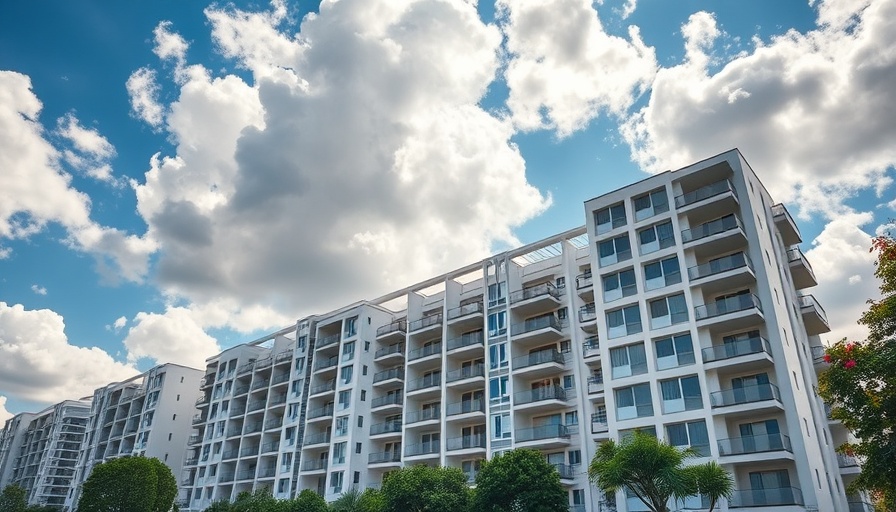
Modern condo building under blue sky highlighting condo inspection importance.

Why a Condo Inspection Is Essential for Buyers

When it comes to purchasing a condo, many prospective buyers overlook the importance of a thorough inspection. The misconception that the homeowners association (HOA) handles all repairs often leads buyers to skip this vital step. However, investing in a condo means you could be responsible for internal maintenance, which makes understanding the unit's condition crucial. A detailed inspection can unveil hidden issues like plumbing leaks, faulty wiring, or even signs of mold that may compromise your living experience.

What Inspectors Look For

A comprehensive condo inspection typically includes checking the HVAC system, plumbing, electrical systems, and structural integrity. Inspectors are trained to identify even minor issues that could lead to significant expenses down the line. For many buyers, gaining clarity on these aspects of their potential new home empowers them to make informed decisions.

Cost of a Condo Inspection: Is It Worth It?

Costs for condo inspections can vary, but they are a small price to pay for peace of mind. On average, buyers can expect to pay between $300 and $500, which is a fraction of what it could cost to address issues after a purchase. Think of it as an investment in your future home—one that could save you thousands.

Common Inspection Red Flags

During an inspection, buyers should keep an eye out for specific red flags. Issues like water stains on ceilings or walls may indicate leaks from plumbing above. Cracks in walls or ceilings could signal structural problems that need serious attention. Even older appliances should be examined closely; inspectors can gauge their current condition and potential lifespan.

Negotiate with Confidence Post-Inspection

One of the best benefits of getting a condo inspection is the negotiating power it provides. If the inspector identifies issues, you can request repairs or negotiate for a lower purchase price before closing. This could save you hundreds, if not thousands, of dollars and ensure that you are not shocked by unexpected repair costs shortly after moving in.

Empower Yourself as a Homebuyer

Arming yourself with knowledge about a unit's condition empowers you to make decisions with confidence. Whether it's budgeting for upcoming maintenance or negotiating a better deal, a condo inspection plays a crucial role in protecting your investment.

If you're considering buying a condo, don't underestimate the importance of an inspection. Prioritize this step. It could reshape your purchase experience and lead to a happier homecoming.

Extra News

32 Views

0 Comments

Write A Comment

*
*
Please complete the captcha to submit your comment.
Related Posts All Posts
05.22.2026

Navigating the Fixer-Upper Market: Essential Tips for Home Sellers

Update Understanding the Fixer-Upper Market Selling a fixer-upper can often feel daunting, but it represents a significant opportunity if approached correctly. Many buyers are specifically searching for homes needing renovation so they can customize the space to their liking. Houses in desperate need of repairs may deter typical homebuyers, but they can attract savvy investors or flippers eager for renovation projects. In this competitive market, being aware of the unique buyer profiles searching for these properties is crucial. The Challenges of Holding a Distressed Property One of the biggest pitfalls for homeowners is underestimating the cost of waiting to sell. Property taxes, insurance, utilities, and necessary upkeep all contribute to ongoing expenses that can pile up quickly. In fact, according to real estate experts, holding onto a house in disrepair could cost homeowners hundreds of dollars daily. As Andrew Burless from Jeff Buys Your House notes, “the longer a property sits, the more those carrying costs can eat into your potential profit.” This stress can force sellers to rush through the sale process, often resulting in accepting lower offers just to relieve financial burdens. To Renovate or Not: Weighing Your Options Deciding whether to make repairs before selling or to market a home as-is can be tricky. While renovations can yield better offers from traditional buyers, they entail upfront costs and possible delays. As Brian Smith of Cedar Cash Home Buyers explains, “Maximizing price goes hand-in-hand with the time it takes and the uncertainty involved with renovations. For many sellers, especially those facing urgent financial situations, an as-is sale might be the most prudent choice.” Marketing Strategies for Selling a Distressed Home Finding the right buyers for a distressed property requires creativity. It’s essential to think outside the box and target specific groups that might appreciate the home’s potential. This could include marketing to local investors or highlighting the property’s unique characteristics, such as location or the potential for a flip. A real estate agent experienced in dealing with fixer-uppers can help strategize the marketing. As Evan Harlow shared in an interview, “Market the property as an investment opportunity, rather than just another home for sale.” This could attract buyers willing to see the value in a distressed property. Importance of Transparency in the Selling Process Honesty about the property’s condition can build trust with potential buyers. Real estate attorney insights emphasize that full disclosure can prevent unwanted legal issues later down the line. An upfront presentation of known issues, paired with a realistic asking price, can facilitate smoother negotiations. Final Thoughts: Taking Action Ultimately, when selling a fixer-upper, timing, transparency, and strategic pricing are vital. Whether you choose to sell as-is or tackle some renovations, understanding your options enables you to make informed decisions. And remember, when considering your next steps, always consult local real estate experts who can guide you under current market conditions. Are you ready to take the next step in selling your fixer-upper? Allow our team to help you navigate this journey efficiently.

05.22.2026

Navigating Renting vs Buying a Home in Raleigh, NC: Key Insights

Update Understanding the Rental vs. Buying Dilemma in RaleighAs the dynamic city of Raleigh, North Carolina continues to attract new residents for its vibrant culture, tech opportunities, and green spaces, many prospective newcomers face a crucial decision: should they rent or buy a home? This question isn't just about individual circumstances, it touches on broader trends in the local real estate market that can affect both homeowners and renters alike.The Pros of Buying a Home in RaleighFor many, the concept of homeownership comes with the major advantage of building equity over time. Each mortgage payment not only moves you closer to ownership but also accumulates equity that can become a valuable asset.Additionally, Raleigh's competitive housing market benefits long-term buyers with various incentives. Tax deductions on mortgage interest and property taxes provide financial relief, while the charming neighborhoods offer diverse living options from historic homes to modern builds.Challenges of HomeownershipHowever, buying in Raleigh is not without its challenges. The competitive landscape can lead to bidding wars, especially in sought-after neighborhoods. Furthermore, current interest rates can strain budgets, forcing buyers to navigate financial constraints when searching for their dream home.The Advantages of RentingRenting offers significant short-term flexibility. For those uncertain about their long-term plans or in transitional phases of life, renting can alleviate the pressure of long-term financial commitments. With lower upfront costs and minimal maintenance responsibilities, renters can easily adapt to life in Raleigh while exploring the neighborhoods and deciding what best fits their lifestyle.The Cons of RentingYet, renting in Raleigh isn't without its downsides. Rising rental prices mean that many are now finding it difficult to afford quality living spaces without impactful financial strain. Moreover, renters often face restrictions imposed by landlords that can limit personal freedom in their homes.Common Questions to ConsiderUltimately, the decision to rent or buy is highly personal. Factors such as local market conditions, financial stability, and individual lifestyle preferences must be considered. Prospective buyers and renters should assess their circumstances, ask important questions about affordability, long-term commitment, and the potential upside of each choice.Whether you are leaning towards renting for flexibility or buying for stability, both paths hold unique opportunities in Raleigh's thriving real estate market. By evaluating your objectives and understanding the market, you can confidently make a decision that reflects both your current needs and future aspirations.Make an Informed ChoiceThe decision to rent or buy a home is monumental. If you’re contemplating your next move in Raleigh’s housing landscape, reaching out to a real estate professional can provide essential insights tailored to your situation. They can guide you in navigating the complexities of the local market, ensuring you find a residence that meets your aspirations and goals.

05.21.2026

Why Understanding Market Conditions Is Crucial for Homebuyers

Update Understanding the Buyer's Mindset in Today’s Real Estate Market In the whirlwind world of real estate, most homebuyers are not solely fixated on listings; their primary concern is the market's health. As potential buyers delve into their purchasing decisions, they are attuned to market conditions, which can profoundly impact their negotiations and overall experience. Why Market Conditions Matter More Than Listings Homebuyers are evolving. They seek to understand nuances such as inventory levels, price shifts, and market forecasts before making a commitment. In a buyer’s market, characterized by high inventory and more negotiating power, buyers can afford to be selective. This environment contrasts sharply with a seller’s market, where competition can drive prices up and limit options. According to a recent report, many major metros in the U.S. have shifted towards buyer-friendly conditions, allowing buyers to wield greater negotiating power. However, the market remains fragmented, creating a unique landscape where conditions can vary drastically from one region to another. Recognizing Key Indicators of Market Dynamics Buyers today must evaluate several key factors. The months of supply of homes is a significant indicator — typically, a surplus of over six months signals a buyer’s market. Homes are lingering longer on the market, averaging 57 days in recent months, which hints at cooling demand. Additionally, price reductions and seller concessions are crucial elements of negotiation that buyers should consider. In short, these conditions allow buyers to navigate their purchasing process with confidence and strategic insight. Market Variability: A Local Perspective While national trends present a broad overview, local conditions hold the key to understanding specific market dynamics. For instance, while buyers may see advantages in areas with high inventory like Austin or Jacksonville, regions such as Miami may still favor sellers, particularly for single-family homes. Buyers in Miami report tight competition for these properties, illustrating the need for a granular understanding of local markets. An agent's advice can prove invaluable — they can offer insights that are specific to neighborhood trends, ensuring that buyers are appropriately informed during this pivotal process. The Importance of Data Analysis for Buyers Acquiring homes in today's environment means leveraging comprehensive data. Buyers should familiarize themselves with the numbers surrounding recent sales and the average pricing trends in their desired neighborhoods. This type of analysis not only aids in making informed decisions but empowers buyers in negotiations, enabling them to secure the best deal. By staying abreast of the prevailing conditions, potential homeowners can better manage their expectations and act proactively, ensuring they aren’t left behind in a competitive market. Conclusion: Seizing Opportunities in a Shifting Market As buyers approach the real estate market, understanding its fluctuating dynamics is crucial. Whether you're looking to negotiate a great price or find the perfect home, being informed is your greatest tool. For those feeling overwhelmed by their options, remember that you have the power to choose wisely, and tapping into the market's potential is key to making your dreams of homeownership a reality.

Terms of Service

Privacy Policy

Core Modal Title

Sorry, no results found

You Might Find These Articles Interesting

T
Please Check Your Email
We Will Be Following Up Shortly
*
*
*