
Add Row
Add Element
cropper
update
Trusted Local Realtor
update
Add Element
  • Home
  • Categories
    • we buy houses
    • sell your house fast
    • stop foreclosures
    • baltimore
    • Extra News
August 25.2025
2 Minutes Read

Surprising Trends: New Home Sales Decline Yet Exceed Expectations

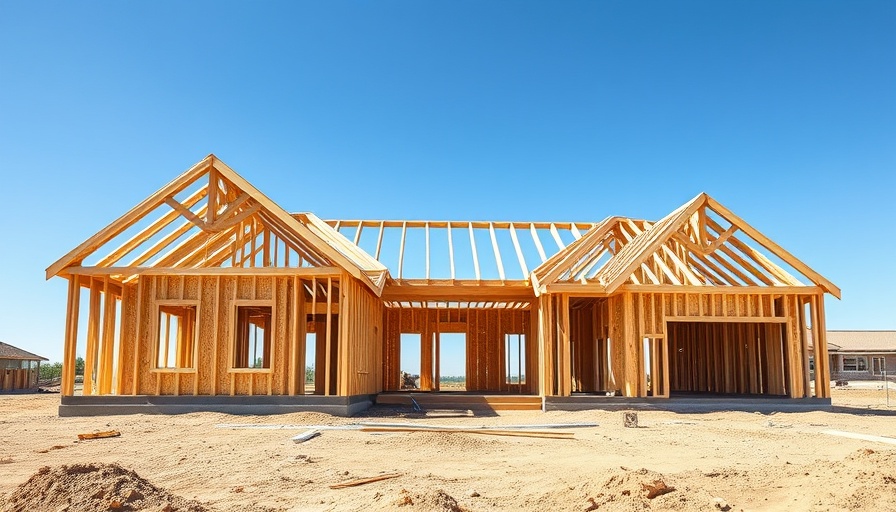
Partially built wooden frame home on construction site.

Understanding New Home Sales in Today’s Market

Sales of new homes took a dip in July, displaying a decrease that caught the attention of many analysts across the nation. Even with a decline in figures, which traditionally signals a setback in the housing market, the numbers managed to surprise experts as they still exceeded expectations.

The Numbers Behind the Decline

According to the latest reports, there was a notable decline in new residential construction, with July witnessing a drop that raised eyebrows. However, analysts were quick to highlight that the decline performed well against anticipated numbers. August is set to reveal whether this trend will continue, providing a clearer picture of consumer confidence and spending habits.

What This Means for Future Buyers

For potential home buyers, this data points to a nuanced scenario. While sales are down, the unexpected resilience could spark a competitive edge in the market. Many prospective homeowners may view current trends as an opportunity to secure homes at favorable prices, especially as more listings become available.

Connecting the Dots: Local Perspectives

Homeownership has always been a vital part of the American dream, and local communities across Baltimore are no different. As new-home sales fluctuate, community programs that focus on housing initiatives are becoming essential. For many residents, understanding their options to buy or sell quickly—and in some cases to avert foreclosure—remains pivotal. Identifying resources in local neighborhoods can empower residents to make informed decisions that align with their personal goals.

Broadening the Scope: Future Market Predictions

Looking ahead, several experts suggest that while the current reduction in home sales might appear troubling, underlying demand for housing remains strong. The industry is indeed resilient, able to adapt to societal shifts and economic nuances. Many buyers are eager to invest, especially when they perceive a temporary lull in housing activity, potentially leading to favorable negotiation conditions.

Creating Actionable Insights

Understanding the current housing market dynamics arms buyers with the awareness needed to navigate their options wisely. Whether considering purchasing a new home or contemplating selling an existing property, informed decisions will drive confidence in this fluctuating market. Engaging with local agents who understand the unique market complexities can further aid potential buyers and sellers.

In conclusion, while July saw a drop in new home sales, the optimism fostered by the numbers not only highlights resilience but also reinforces the importance of community and connection. As we look to the future, let us stay informed and proactive in our housing choices.

Extra News

8 Views

0 Comments

Write A Comment

*
*
Please complete the captcha to submit your comment.
Related Posts All Posts
04.11.2026

Surging Gas Prices Propel March CPI to Record Levels Amid Iran Conflict

Update Record Inflation Spike: The Impact of Rising Gas Prices The latest Consumer Price Index (CPI) report indicates that inflation has surged significantly in March 2026. A 0.9% increase in consumer prices, the largest since June 2022, has raised concerns as most of this spike can be attributed to the staggering 21.2% rise in gasoline prices—the highest such increase since the CPI began recording in 1967. Experts attribute this price surge to ongoing geopolitical tensions, particularly the conflict involving Iran, which has tightened global oil supplies. How Global Events Affect Local Economies The rise in gas prices is not just a number; it carries profound implications for American households. Those with lower incomes feel the pinch more acutely as gas prices eat into their budgets. For households earning below $30,000, it could mean an additional burden of $223 per year on fuel costs, effectively reducing their disposable income for other essentials. High energy prices also ripple through the economy, affecting transportation and eventually leading to increases in prices for goods and services. Consumer Sentiment at a Historic Low According to a recent survey by the University of Michigan, consumer sentiment has plunged to its lowest level since records began in 1952. This stark decline in confidence is a result of rising prices blamed primarily on the Iran conflict, reflecting widespread discontentment among consumers across various demographics. As gas prices rise unpredictably, families face the real threat of a reduced standard of living, which calls into question economic policies and interventions in place. What’s Next? Predictions and Recommendations Looking ahead, analysts are skeptical about whether inflationary pressures will ease. The Federal Reserve's recent meetings suggested that interest rates may remain unchanged in the immediate future, but hikes could be on the horizon if inflation continues to rise. Consumers should consider tightening their budgets, prioritizing essential spending, and planning for future expenses, especially as food prices—which have remained stable for now—are expected to increase as the cost of freight goes up. Actionable Insights: What You Can Do As consumers navigate these challenging economic conditions, it's crucial to stay informed about budgeting strategies and seek out local initiatives aimed at mitigating rising costs. Community programs may offer assistance, and utilizing public transportation where possible can help manage fuel expenses while supporting local economy initiatives. Pay attention to spending habits and adjust as needed to maintain a balanced budget during this time of uncertainty.

04.10.2026

Unlock the Secrets to Combatting Indoor Air Pollution for a Healthier Home

Update Understanding Indoor Air Pollution: A Hidden Health Hazard Indoor air pollution is rarely discussed, yet, it poses significant health risks that can affect anyone spending extended periods indoors. This problem is exacerbated by the fact that we spend approximately 90% of our time inside our homes, workplaces, and public spaces. Ignoring indoor air quality can lead to complications such as respiratory issues, cognitive deficits, and even chronic diseases. Luckily, there are simple strategies everyone can implement to improve their indoor environments and safeguard their health. What Exactly is Indoor Air Pollution? Indoor air pollution originates from numerous sources, including both biological and chemical origins. Common contributors include tobacco smoke, mold, carbon monoxide, radon, and volatile organic compounds (VOCs) found in cleaning products and furniture. Each of these elements can the air we breathe significantly, leading to various health complications over time. According to the World Health Organization, more than 3 million people die annually as a direct result of air pollution. The Health Implications of Poor Indoor Air Quality The health effects resulting from indoor air pollution can range from immediate but mild symptoms—like headaches, fatigue, and dizziness—to chronic conditions such as asthma and other respiratory diseases. Vulnerable populations, including children, the elderly, and those with pre-existing health issues, are more susceptible. Studies suggest that long-term exposure can lead to severe health deficiencies, including heart disease and lung cancer. Identifying Common Sources of Indoor Air Pollutants Identifying sources of indoor air pollution is crucial for effective mitigation. Common sources include: Dust Mites: Tiny creatures feeding on dead skin cells can trigger allergies and asthma. Mold: Frequently found in damp areas; exposure can worsen respiratory issues. Carbon Monoxide: An odorless gas produced by gas appliances that can be fatal in high concentrations. Tobacco Smoke: Contains thousands of harmful chemicals, making it one of the most serious indoor pollutants. VOCs: Emitted from paints, cleaning supplies, and furniture, these can irritate the eyes, nose, and throat and contribute to long-term health conditions. Effective Strategies to Improve Indoor Air Quality Fortunately, tackling indoor air pollution does not require a complete home overhaul. Here are several actionable steps that homeowners can take to improve air quality: Ventilation: Ensuring proper ventilation is vital. Open windows and use exhaust fans to help circulate fresh air. Air Purifiers: Incorporating HEPA filters can trap airborne pollutants like dust, pollen, and pet dander effectively. Green Cleaning Products: Replace conventional cleaning supplies with eco-friendly options to minimize VOC exposure. Monitor Humidity Levels: Keeping humidity levels at 30-50% can inhibit mold growth and dust mite proliferation. Regular Cleaning: A consistent cleaning routine can significantly reduce dust and allergens in your environment. Conclusion: The Importance of Awareness and Action Despite being an unseen threat, indoor air pollution remains a critical concern that deserves more attention. Improving indoor air quality is not only essential for health but also enhances overall well-being. By implementing simple strategies to minimize pollutants, you can create a safer and healthier living space for you and your loved ones. As we continue to advocate for better health practices, let’s remain proactive about the quality of air we breathe indoors. For further guidance on enhancing your home's air quality, consider consulting professionals or resources from health organizations.

04.10.2026

What It Truly Costs to Live in Matthew McConaughey's Lake Austin Neighborhood

Update Unveiling the Cost of Luxury Living on Lake Austin Living next to a celebrity like Matthew McConaughey is a dream for many, yet it often comes with a hefty price tag. Lake Austin, with its stunning views and Mediterranean-inspired architecture, is not just an idyllic retreat; it’s also one of the premier luxury housing markets in Texas. The average home price in this coveted area is an astonishing $7.5 million, which translates to estimated monthly mortgage payments exceeding $40,000 for buyers putting down 20%. Understanding the Financial Commitment For those considering moving into McConaughey's neighborhood, let's break down the financials. A home on Lake Austin does not just come with a mortgage; prospective buyers must also consider property taxes, homeowner’s insurance, and even the costs associated with maintaining luxury estates. In Travis County, property taxes hover around 1.48%, meaning owners could expect to pay about $111,000 annually just for property tax alone. When combined with insurance fees that can reach $15,000 or more per year, it’s evident that owning a home here is a significant investment. What it Means to Live on Lake Austin The appeal of Lake Austin goes beyond just luxury; it symbolizes a lifestyle of privacy and natural beauty. With limited inventory and soaring demand, homes here offer elite amenities and easy access to Austin's vibrant culture. It’s no wonder that the estimated annual income necessary to afford these properties comfortably is around $2 million. Notably, living on Lake Austin doesn't mean sacrificing access to city life. In fact, the neighborhood is only 15-30 minutes from downtown Austin, which presents the perfect blend of nature and urban living. The Investment Perspective From an investment standpoint, Lake Austin is more than just a place to reside—it's a potential goldmine. The area has seen a remarkable appreciation rate of about 45% over the past five years. This trend of property value increases could be appealing to buyers looking for a long-term investment. Properties here not only retain their value due to their prime location but also exhibit strong growth, making them attractive assets in an evolving real estate market. Conclusion: A Lifestyle Investment Worth Considering In conclusion, choosing to live in Matthew McConaughey’s neighborhood is more than a mere real estate decision; it’s an investment in a luxurious lifestyle that many only dream of. With rising property values, high upfront and ongoing costs, and the allure of a serene lakeside life, it might just be one of the most rewarding choices for those who can afford it. Interested in knowing more about making this lifestyle a reality for you? Consider your approach to real estate and think about the potential rewards that come with owning a picturesque waterfront property.

Terms of Service

Privacy Policy

Core Modal Title

Sorry, no results found

You Might Find These Articles Interesting

T
Please Check Your Email
We Will Be Following Up Shortly
*
*
*