
Add Row
Add Element
cropper
update
Trusted Local Realtor
update
Add Element
  • Home
  • Categories
    • we buy houses
    • sell your house fast
    • stop foreclosures
    • baltimore
    • Extra News
July 29.2025
2 Minutes Read

Selling Your House As-Is Without Inspection: Here's What You Need to Know

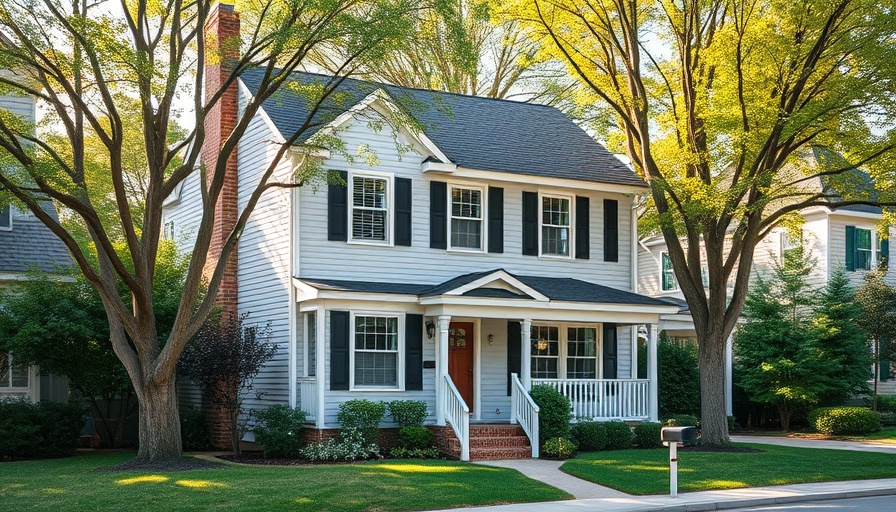
Charming suburban house for sell as-is without inspection, daylight view

Understanding the As-Is Sale in Real Estate

When considering the route of selling your house as-is, it's crucial to grasp what this entails. An as-is sale means putting the property on the market without making any repairs or offering credits. Buyers accept the home in its current state, often leading to faster transactions. This method can be particularly appealing for those looking to expedite a sale without the hassle of renovations, especially in a busy real estate market.

Why Choose As-Is Sales?

As-is sales can serve various strategic purposes for sellers. For instance, homeowners facing divorce, financial hardship, or relocation may prioritize quick sales over maximized profits. Selling to investors or cash buyers, who are typically experienced in handling fixer-uppers, also streamlines the process.

Proceeding Without Inspection: Pros and Cons

Encouraging buyers to waive inspection contingencies can save time and liken the experience to a seamless transaction, but it comes with risks. Without a comprehensive report, sellers may risk legal repercussions if undisclosed issues arise. Thus, honesty about the property’s condition remains imperative.

Buyer Behavior and Expectations

Not all buyers will be averse to waiving inspections. First-time buyers might engage in this practice to compete against multiple offers or secure a seemingly affordable deal. However, it’s essential for sellers to manage expectations and understand their potential buyers' perspectives.

Financial Implications of Selling As-Is

Financially, selling as-is often means a lower sale price. This can be a reasonable trade-off for homeowners desperate for a quick resolution in dire circumstances. Ultimately, sellers must weigh the urgency of their situation against potential long-term financial goals.

Guiding Principles for a Successful As-Is Sale

When selling your house as-is, transparency is your best ally. Highlighting the home’s strengths and providing complete disclosures about its condition can build trust with buyers. Providing a clear listing and visually appealing photos improves the home's chances of attracting interest.

If you’re contemplating an as-is sale, know that while you can list your home without an inspection, clear communication and legal compliance protect both you and the buyer. Make smart choices and consider what's best for your unique situation.

sell your house fast

29 Views

0 Comments

Write A Comment

*
*
Related Posts All Posts
12.12.2025

Unlocking the Key Factors That Sell a Home Quickly and Effectively

Update What Truly Sells a Home? Uncovering the Essentials When it comes to selling your home, it's more than just placing a "For Sale" sign in the yard. Success hinges on several critical factors, and understanding these can significantly enhance your chances of a swift sale at a substantial price. Mastering Your Pricing Strategy The foundation of a successful sale begins with accurate pricing. Overpricing is one of the most frequent missteps made by sellers. If a home is priced too high, it can deter potential buyers from even viewing the property, resulting in a prolonged market stay and ultimately lowering the final sale price. To set the right price, consult a real estate agent who can help analyze recent sales of comparable properties, ensuring your listing is competitive. Understanding the value of your home in relation to its condition is equally vital. If your home needs repairs or updates, be transparent about these needs in your price. Creating a Memorable Buyer Experience The visual appeal of your home can make or break a sale. First impressions are paramount, as buyers typically decide within minutes whether to make an offer. Focus on staging your home to highlight its best features. Begin by decluttering and depersonalizing; this step allows potential buyers to envision their lives in the space. Pay special attention to key areas, such as the kitchen and bathrooms, which sell homes. Telling Your Home’s Unique Story While location is a fixed attribute, how you market it can dramatically affect buyer interest. Your listing should underline what makes your home's location desirable — proximity to excellent schools, parks, or bustling commercial areas can be significant selling points. Make it count by highlighting these advantages in your property description. Additionally, invest in professional photography; quality images of your home can vastly improve your listing's performance online, appealing to buyers scrolling through countless options. Condition is Key—Preparing for Inspections Buyers want assurance that they are purchasing a reliable asset. To provide peace of mind, ensure that all functional elements of your home are in order before showings and inspections. Simple proactive maintenance, such as fixing leaky faucets or ensuring doors open smoothly, can instill confidence in potential buyers and minimize negotiation hassles later on. Ultimately, a well-maintained home hints at care and can fetch a premium price. Assessing the Importance of Curb Appeal The term 'curb appeal' refers to the attractiveness of your home from the street. Simple strategies like trimming bushes, mowing the lawn, and freshening up the front door paint can create a welcoming atmosphere. These visual tweaks not only enhance the first impression your home makes but can also set your listing apart in a crowded market. Create an inviting entryway that draws in potential buyers and gets them excited to explore your property. Removing Personal Touches One critical step in showing your home is removing personal items. Family photos and unique decor can distract buyers and prevent them from envisioning their lives in the space. The goal is to allow them to project their lifestyle onto your home, making it feel like a blank canvass waiting for their personal touch. This strategy can often lead to a quicker sale and smoother negotiations. Options for Quick Transactions In today's fast-paced market, being prepared to respond swiftly to offers can set you apart. Gather all necessary documents ahead of time — from disclosure forms to recent repair invoices — to avoid delays. Additionally, consider the cash buyer route if you're in urgent need to sell. Companies that buy homes for cash can close deals much faster than traditional sales. While this may yield less money than a typical sale, it provides speed and convenience, which some sellers prioritize. Evaluating Emotional Ties in Selling Perhaps the most challenging aspect of selling a home is detaching emotionally from the process. It's crucial to treat this transaction as a business decision rather than a personal one. Buyers may present requests for repairs or credits during negotiations, and it's essential to remain objective. Regaining a clear perspective will help ensure a smoother selling experience. Conclusion: Empowering Your Sale Journey Understanding what sells a home can empower you to make informed decisions and avoid common pitfalls. From setting the right price to enhancing curb appeal and preparing psychologically for the negotiations ahead, these insights will enable you to position your property for the highest possible return. Start today—adopt these strategies and watch as your home transforms into a competitive listing in your local real estate market.

11.18.2025

Open House or Private Showing: Which Approach Maximizes Your Home Sale?

Update Understanding Your Home Selling Options When it comes to showcasing your property for sale, homeowners face a crucial decision: should you host an open house or prioritize private showings? Each approach has unique benefits, depending on your objectives and the current real estate climate. In bustling markets like Salt Lake City or Rockford, understanding these strategies is key to maximizing your home's appeal and sale price. Open Houses: A Buzz Generator An open house serves as a grand unveiling of your property, a chance to invite many potential buyers in one go. This approach can generate fast buzz, creating urgency among visitors, especially when they sense competition. The visual dynamic often leads to quicker offers, even sparking bidding wars. However, the downside is the vast array of foot traffic, which may include casual browsers not genuinely looking to purchase, thus flooding your space with unqualified visitors. The preparation for an open house can also require significant effort—cleaning, staging, and managing the logistics of multiple viewers. This necessity can sometimes feel overwhelming and may not yield a return on investment if serious inquiries are absent post-showing. Private Showings: Focusing on Serious Buyers Alternatively, private showings cater specifically to pre-qualified, motivated buyers. Scheduling one-on-one visits allows interested parties to inspect the home without distractions, giving them a chance to envision living there. Moreover, because their agent is present, you gain critical feedback regarding your home's condition and pricing. This targeted approach can often lead more directly to offers. However, as appealing as private showings may seem, they demand flexibility—the seller must often leave their home multiple times for individual appointments. Yet, this inconvenience can often equate to a more rewarding outcome when it comes to serious negotiations. Combining Strategies for Maximum Impact The most effective strategy tends to be a combination of both open houses and private showings. Utilizing an open house as your launching event can draw attention and create initial interest. Following this, transitioning to private showings allows you to cater specifically to those who have demonstrated a genuine interest. Think of the open house as the kickoff event that sets the stage for serious negotiations to follow. In today’s shifting real estate landscape, it’s essential to be adaptable. Home sellers should tailor their approach based on market conditions and the unique attributes of their property. For instance, while open houses may work well in some areas, others may see better results focusing exclusively on private showings. Conclusion: What Should You Do? Ultimately, the decision between open houses and private showings hinges on your goals, the nature of your local market, and the dynamics of potential buyers. In any case, prioritizing communication and feedback through these methods will strengthen your overall sales strategy. Whether you choose one method or employ both, understanding their implications ensures that you showcase your home in the best way possible. Ready to get started? Explore the market and discover what your home could sell for—confidence in your pricing and strategy is vital for successful selling.

11.12.2025

How to Successfully Navigate Selling Your Unfinished House in 2025

Update Understanding the Unfinished Property Market Life doesn't always go as planned, leaving many homeowners facing the daunting task of selling an unfinished house. You may have run out of funds mid-renovation, inherited a half-built property, or encountered life events that derail your construction dreams. In 2025 alone, thousands of homeowners find themselves needing to navigate the complexities of selling these properties. Whether your house is at the framed, dry-in, or partially renovated stage, understanding your unique situation and market conditions is key to a successful sale. Why Do Homeowners Sell Unfinished Properties? One of the main reasons homeowners opt to sell unfinished houses is financial limitations. Data shows that one in three renovations exceed their budget due to unexpected structural issues or cost increases in materials. Homeowners can quickly find themselves in a position where they can no longer afford to continue their project. Contractor disputes present another challenge. Issues such as missed deadlines, quality concerns, or abandonments often leave homeowners scrambling to find replacements or facing further delays. Additionally, unforeseen life changes—like divorce, job loss, or health issues—can shift priorities drastically, prompting the need to sell. For many heirs, unfinished properties inherited from loved ones become burdens as time, knowledge, or resources dwindle. Overcoming Selling Challenges Selling an unfinished house poses unique barriers. Conventional mortgages often won't apply to properties that are not move-in ready, which limits your buyer pool. Most banks require homes to meet heightened livability standards before lending. Therefore, you’ll likely attract cash buyers or those interested in specialized construction loans. Understanding your options and targeting the right buyers—such as investors and DIY enthusiasts—will increase your chance of selling successfully. Key Preparation Steps Before Selling Even if your home remains unfinished, there are several strategies you can utilize to enhance its marketability. Begin with a thorough property assessment to determine precisely what’s completed and what lies ahead. Implementing simple enhancements to curb appeal—like cleaning up the yard and securing hazardous areas—can also make a positive impression on potential buyers. Transparency is crucial. Prepare to provide documentation such as building plans, permits, and a detailed history of work completed. Potential buyers will appreciate the honesty and thoroughness, which helps build confidence as they consider your property. Effective Pricing Strategies for Unfinished Homes Determining a fair price for your unfinished house requires careful analysis. Work with a professional appraiser to assess what's done and estimate completion costs. By calculating what similar unfinished homes in your area have sold for, you will set a competitive asking price that attracts more prospective buyers. Marketing to Attract Serious Buyers Marketing an unfinished property effectively means seeking the right audience. Highlight your property’s unique selling points, such as its location or availability of permits, to showcase its potential. Use high-quality visuals, including virtual staging or architectural renderings, to help buyers visualize the completed project. Your marketing efforts should target investors and builders, individuals who often look for properties that require a bit of work but have substantial upside. Conclusion Selling an unfinished house doesn’t have to be an overwhelming endeavor fraught with uncertainty. With the right approach and understanding of the market, you can turn your incomplete property into a profitable sale. Focus on preparation, transparency, and effective marketing to connect with buyers who see potential in your project. If you're feeling stuck, consider reaching out to cash buyers or real estate experts who specialize in unconventional home sales. Feeling overwhelmed? We specialize in purchasing unfinished properties for cash. Skip the stress of marketing and extensive adjustments. Contact us today for a straightforward cash offer that allows you to move forward with ease!

Terms of Service

Privacy Policy

Core Modal Title

Sorry, no results found

You Might Find These Articles Interesting

T
Please Check Your Email
We Will Be Following Up Shortly
*
*
*