
Add Row
Add Element
cropper
update
Trusted Local Realtor
update
Add Element
  • Home
  • Categories
    • we buy houses
    • sell your house fast
    • stop foreclosures
    • baltimore
    • Extra News
August 25.2025
2 Minutes Read

July’s New Home Sales Decline: A Silver Lining for Buyers and Sellers

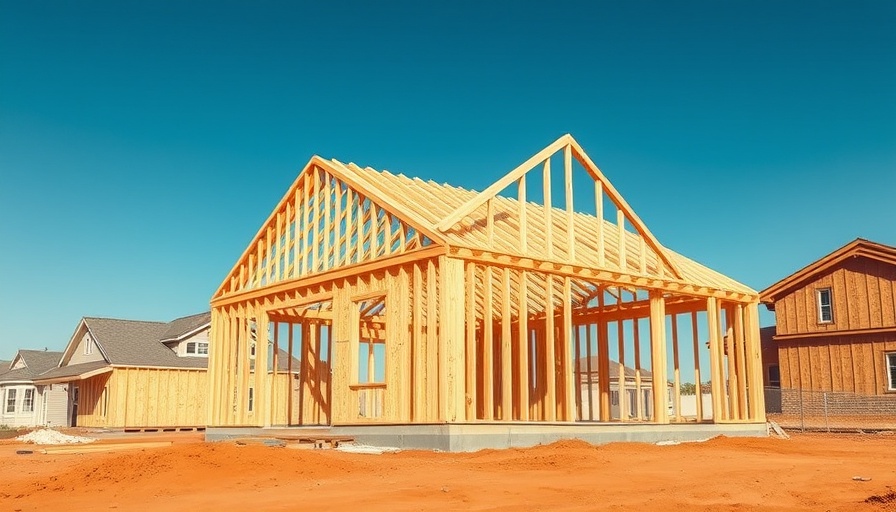
New home construction site under blue sky in July 2025.

New Home Sales: What July Reveals About the Market

In July, new-home sales saw a decline that surprised many, yet it still managed to surpass analysts' expectations. Analysts anticipated a more significant drop, but the figures revealed that the market is more resilient than expected, showcasing a complexity that's often overlooked. The nuances of these trends can carry significant implications for potential buyers and sellers alike in our local communities.

Understanding the Numbers: A Deeper Dive into Sales Data

The latest reports highlight a 12.6% drop in new-home sales compared to the previous month. It can sound alarming, but when viewed against the backdrop of rising construction costs and fluctuating interest rates, the numbers take on a different light. In July, approximately 715,000 new homes were sold, which is a decrease yet remains a solid figure compared to anticipated outcomes. This blend of challenges and successes invites a conversation about the housing market's direction.

Why Local Communities Should Care

Even with the drop in sales, it’s vital for our local communities to understand what these figures mean. A decrease in new-home sales may initially seem concerning, but it opens the door to opportunities for negotiation and is indicative of a shifting market. For those looking to buy, this could mean a softer approach from builders eager to move inventory. Sellers, on the other hand, may need to recalibrate their expectations and strategize on pricing to stand out in a crowded market.

Hope Amidst the Challenges: Positive Signals from the Market

The steady demand for new homes still paints an optimistic picture for the future. Factors contributing to the resilience of the market include demographic shifts, such as millennials becoming homebuyers. Further, consumer confidence remains a critical factor driving the housing market forward. Even as interest rates fluctuate, the desire for home ownership continues to grow within our communities.

What Lies Ahead: Predictions and Future Opportunities in Housing

So, what does the future hold for the housing sector? Experts are predicting that we may see further stabilization in the market as new home inventories become more balanced and builders adjust to these market dynamics. This environment offers a chance for community members to take innovative steps, whether buying or selling, that could resonate positively in the long term.

Final Thoughts: Let's Connect and Build Together

The fluctuations of July's new-home sales offer a gateway into understanding broader trends that are impacting our neighborhoods. As these dynamics evolve, there’s plenty of room for excitement in the real estate landscape. Engaging with local sellers, potential buyers, and housing advocates can help shape a better future for our communities. Stay informed and involved as we navigate these changes together!

Extra News

45 Views

0 Comments

Write A Comment

*
*
Related Posts All Posts
02.20.2026

Unlocking Homeownership: Discover How USDA Loans Work

Update Unlocking Homeownership with USDA Loans If you're a prospective homebuyer eyeing properties in rural or eligible suburban areas, USDA loans might just be the financial key you need. With zero down payment and low interest rates, these government-backed loans are designed to help low- to moderate-income families secure a mortgage. Whether you’re interested in homes for sale in places like Lexington, KY, or Spokane, WA, understanding how USDA loans work could pave your way to your dream home. What Exactly Is a USDA Loan? A USDA loan, officially known as a USDA Rural Development Guaranteed Housing Loan, is specially structured to assist families in purchasing homes located in designated rural areas. The benefits it offers, including no down payment, favorable interest rates, and lower mortgage insurance costs, make it an appealing choice for many buyers. Importantly, the loan is backed by the USDA, meaning lenders can offer competitive rates to those who qualify. Exploring USDA Loan Programs: Guaranteed vs. Direct There are two primary types of USDA loans: the Guaranteed Loan and the Direct Loan. The Guaranteed Loan is offered by private lenders with 90% of the loan amount guaranteed by the USDA, making it less risky for lenders to provide loans with better terms. On the other hand, the Direct Loan is aimed at very low to low-income applicants and comes directly from the USDA, featuring subsidized rates that may drop as low as 1% for qualifying borrowers. How to Determine If Your Future Home Qualifies Before diving into the loan application process, you need to ensure that your chosen home is located in an eligible area. As of early 2026, around 97% of U.S. land falls under USDA eligibility due to its inclusive classification. The USDA offers an eligibility map to help prospective buyers verify whether a specific property qualifies for these advantageous loans. It's important to check this map early in your home search to avoid potential disappointments later on. Key Eligibility Criteria for Borrowers Securing a USDA loan involves meeting certain borrower requirements, including: Income Limits: Generally capped at 115% of the area median income, but this varies by region and household size. Stable Income: A steady source of income is crucial for loan approval. Credit Score: A minimum credit score of 640 is typically required for streamlined approvals; however, those with lower scores may still qualify. Debt-to-Income Ratio: Ideally below 41%, but some flexibility exists depending on other financial factors. The Application Process Simplified The process of applying for a USDA loan is akin to a conventional mortgage but requires specific additional steps. Initially, you'll need to work with a USDA-approved lender. Once you've found a property, an appraisal ensures the home meets USDA's safety and health standards. Provisions exist to finance various property types, including new constructions, existing homes, and even manufactured homes, as long as they are not intended for commercial income generation. Benefits of a USDA Loan Beyond Cost USDA loans are not just about low costs; they're also about fostering community growth. By easing the pathway to homeownership in rural areas, the USDA aims to stimulate these communities economically and socially. When families have access to affordable housing, it can lead to improved local economies and a higher quality of life. What Next? Taking the Leap Toward Homeownership For many, the dream of owning a home seems distant, especially due to hurdles like down payments and high-interest rates. USDA loans bring you one step closer to that dream. If you’re considering applying for a USDA loan, start by determining your income eligibility and looking at properties in USDA-approved areas. Consult with a certified lender who understands the intricacies of the USDA loan processes to maximize your chances of approval. In the journey toward homeownership, every step counts. Understanding USDA loans could open doors you never thought possible—all it takes is motivation and a little bit of guidance. Happy house hunting!

02.20.2026

Understanding Financial Readiness: A Complete Guide for Home Buyers

Update Decoding Financial Readiness for Homeownership Many first-time buyers equate financial readiness with having a down payment or a mortgage pre-qualification. However, the reality is far more complex and nuanced. Understanding what it means to be truly financially ready can set the stage for a more sustainable and enjoyable homeownership experience. According to Redfin and insights from other financial experts, being financially prepared involves a broader analysis of your personal finances, market conditions, and lifestyle considerations. Key Components of Financial Readiness Financial readiness entails managing ongoing costs of homeownership beyond just the mortgage payments. It involves steady income, healthy savings, and the ability to absorb unexpected expenses without financial strain. Here are crucial aspects to consider: 1. Stable Income and Cash Flow The first pillar of being financially ready is having a reliable income source. Lenders often review at least two years of your financial history to assess your income stability. Beyond this, buyers need to ensure that housing costs fit comfortably within their budgets. This means understanding factors such as mortgage principal, interest, insurance, taxes, and any homeowner association fees. The goal is to ensure that the monthly payments won't stretch you too thin, allowing for breathing room in other areas of your budget. 2. Healthy Savings and Emergency Reserves While saving for a down payment is essential, it’s just the tip of the iceberg. Buyers should also prepare for immediate post-purchase expenses such as moving costs and potential repairs. Financial experts advise maintaining a reserve of at least 3-6 months of living expenses to cover unforeseen costs, which can help alleviate the stress of homeownership. Evaluating Market Timing and Conditions The current housing market is another essential element of financial readiness. As reported by experts, market fluctuations affect home values and buyer demand dramatically. For instance, as older homeowners exit the market over the next decade, it’s expected that there could be a significant increase in available properties, potentially leading to a buyer’s market. Making Informed Decisions: Buying Now vs. Waiting Should you buy now or hold off until 2026? Both strategies have their pros and cons. Purchasing now allows you to build equity immediately and capitalize on current market opportunities. Conversely, waiting could result in a more favorable market, albeit at the risk of prices potentially rising due to increased demand. These considerations are crucial to weigh with your financial situation and market predictions, such as those from Lawrence Yun, who forecasts continued home price growth. Remember that no one can accurately predict market movements, so your personal financial readiness should guide your decision. Actionable Steps to Improve Your Readiness There are multiple proactive steps you can take today to bolster your financial readiness for homeownership: Improve Your Credit Score: Focus on paying down debts and making timely payments. A higher credit score will not only improve your chances of mortgage approval but also may yield lower interest rates. Save for “True” Ownership Costs: Factor in all ownership costs—mortgage payments, property taxes, maintenance, and necessary insurance. A financial planner can help you create a comprehensive budget. Long-term Financial Planning: Consult with financial advisors to set realistic savings goals based on your lifestyle and financial capabilities. Establishing an emergency fund is equally as critical. Conclusion: Empowering Your Home Buying Journey As you contemplate your next steps toward homeownership, consider the holistic picture of what 'financially ready' truly means. By addressing income stability, savings, market understanding, and total ownership costs, you can gain clarity and confidence in your home buying journey. Whether you choose to purchase now or wait, being informed and prepared will empower you to make the right choice for your financial situation and lifestyle aspirations. To get started, consider seeking pre-approval and using online mortgage calculators to estimate your comfort levels. The more proactive you are now, the better positioned you'll be for your future as a homeowner.

02.19.2026

Why Buyers Are Embracing the Resale Market Over New Homes

Update Why Resale Markets Are Thriving in Today's Economy As the landscape of home buying shifts in 2026, the resale market is making headlines as buyers turn away from new homes. Builders, once offering enticing price cuts to lure buyers, are now stepping back from these concessions, prompting many prospective homeowners to look to the secondary market instead. Understanding Current Market Trends According to recent reports, the surge in resale purchases can be attributed to rising interest rates and unstable economic conditions that have made buyers hesitant. With many builders now holding firm on their prices, potential homeowners are leaning towards the security of established resale homes, where prices appear more stable and predictable amidst economic uncertainty. The Emotional Journey of Buying a Home Buying a home is not just a financial decision—it's a deeply emotional one. Many buyers are picturing their future as they navigate this process. Stories of families finding their forever homes, individuals moving closer to loved ones, or those searching for that perfect community often resonate on a human level. This connection to home is fueling the demand for resale properties over new constructions. Adaptability of Resale Homes Resale homes often come with charm and character, which many buyers find appealing. Unlike newly constructed homes that can feel cookie-cutter or lacking in personal touch, older homes can offer unique architecture and established neighborhoods with a sense of history. Many buyers are now realizing that these factors contribute not just to their happiness, but to strong community bonds as well. Market Predictions: What's Next for Home Buyers? While it may seem that the path ahead is uncertain, experts suggest that the current trend could persist. With builders hesitant to decrease prices any further and many waiting for market stabilization, buyers might continue to favor resale homes over newer builds. Future market scenarios could include increased competition for these sought-after properties as inventories tighten. Why You Should Consider the Resale Market Now For those looking to buy a home, the resale market offers many advantages right now. Not only does it provide a diverse range of options, but buyers often face less competition compared to new properties. Additionally, with established communities in place, buyers can evaluate neighborhood vibes and dynamics more directly. In conclusion, as the trends evolve, the focus on resale homes can not only meet buyers’ needs but also enrich communities. As you consider your next move in the housing market, reflect on these insights to help you navigate a rewarding purchasing experience.

Terms of Service

Privacy Policy

Core Modal Title

Sorry, no results found

You Might Find These Articles Interesting

T
Please Check Your Email
We Will Be Following Up Shortly
*
*
*