
Add Row
Add Element
cropper
update
Trusted Local Realtor
update
Add Element
  • Home
  • Categories
    • we buy houses
    • sell your house fast
    • stop foreclosures
    • baltimore
    • Extra News
May 02.2025
3 Minutes Read

Your Guide to Exploring the Most Affordable Places to Live in North Carolina

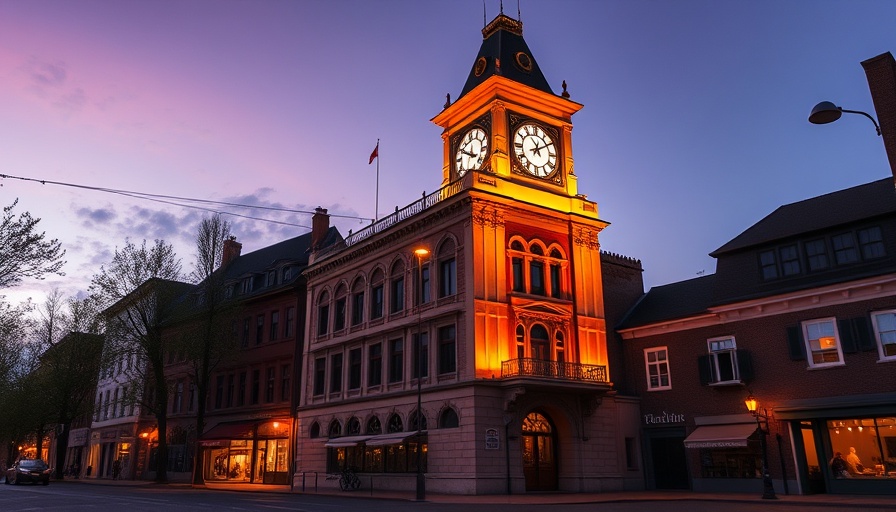
Historic clock tower building at dusk in affordable North Carolina city.

Discovering Affordable Living in North Carolina

If you're exploring the option of relocating to North Carolina, you'll find a wealth of choices ranging from vibrant urban environments to serene mountain towns. The state is often celebrated for its rich culture, diverse geography, and warm climate. In particular, the affordability of housing remains one of the most attractive features for prospective residents.

Staying within your budget while purchasing a home is crucial. Even though the median home sale price in North Carolina is approximately $367,500, potential homeowners can rest assured—there are numerous affordable options available. Below, we will delve into the most affordable places to live in North Carolina in 2025, all of which boast median home prices below the state average.

Rocky Mount: An Affordable Gem

First up is Rocky Mount, where the median home price is a mere $175,000. This town stands as the most affordable option on our list, making it ideal for first-time buyers and families alike. With an average sale price per square foot at $117 and a 1-bedroom apartment rent of around $1,260, Rocky Mount offers significant savings combined with an average household income of $46,396. The proximity to Raleigh—only 60 miles away—makes it a great choice for those who might work in the city yet prefer a quieter lifestyle.

Greenville: More Than Just Affordable Pricing

Next, we spotlight Greenville, known for its lively atmosphere and burgeoning job market. The median home sale price here is around $235,000, allowing homeowners to enjoy the benefits of urban living without overextending their finances. Home to East Carolina University, this vibrant town offers educational opportunities, cultural attractions, and a variety of recreational activities. The average rental prices do remain relatively low, making it an excellent location for both buying and renting.

The Value of Community Connection

Affordable living often comes with additional perks—an inviting community is one of them. Many of these cities, like Wilson and Goldboro, emphasize community engagement, which contributes to their appeal. By choosing to live in these areas, homeowners not only secure a financial advantage but also become part of a welcoming neighborhood. Events and activities that foster connection are enriching experiences that enhance one’s quality of life. This sense of belonging is invaluable and can greatly enhance your overall well-being.

Preparing for Your Move to North Carolina

Now that you've seen some of the most affordable housing options, you may want to look into logistics such as moving costs and new job opportunities. Researching the local economy and job market can play a pivotal role in ensuring a smooth transition. Consider accessing resources such as local real estate agencies and online property listings to survey your options. A little research and preparation can go a long way in making your move a successful new chapter in your life.

Final Thoughts on Your Affordable Move

Understanding the options for affordable living in North Carolina is about more than just picking a place. It's an opportunity for growth, community, and new beginnings. With options like Rocky Mount and Greenville leading the way, your dream home at a budget-friendly price is well within reach. If you've found your ideal spot, take the next steps toward establishing your new life and making your dreams a reality.

Extra News

3 Views

0 Comments

Write A Comment

*
*
Related Posts All Posts
12.31.2025

Discover the Top Trends that Shaped Real Estate in 2025

Update Real Estate in 2025: A Year of Transformation As 2025 draws to a close, it's remarkable to reflect on the significant shifts that have transformed the landscape of real estate. Redfin CEO Glenn Kelman lays out the ten defining trends that shaped the industry throughout the year. Each trend not only tells a story but also illustrates the evolving dynamics of homeownership, buyer-agent relationships, and market forces. 1. The Shift Towards Buyers 2025 proved to be pivotal, marking a shift that favored buyers in the real estate market. After years of rising home prices, buyers have begun to take a step back, with homes remaining on the market longer and prices stabilizing. Reports indicate that in the first quarter of 2025, the median time homes remained unsold increased, allowing potential buyers to navigate the market more comfortably. This shift provides much-needed relief for first-time buyers, who have long struggled amidst soaring prices. 2. Affordability at the Forefront The issue of housing affordability took center stage in 2025. With the median age of first-time homebuyers now at 40, a significant portion of Americans are spending much of their lives trying to attain homeownership. As affordability concerns gained traction, they sparked political discussions from coast to coast, emphasizing a collective need for change. The current economic landscape has led to greater awareness and consensus around making housing accessible once again. 3. Embracing Technology: The Rise of AI The integration of artificial intelligence has been one of the most exciting developments within the real estate sector. In 2025, AI transformed how buyers search for homes, interacts with listings, and connects with agents. Technology has enhanced the home-buying experience, providing tailored suggestions and improving engagement. Real estate platforms are now equipped to follow up on clients' interest and needs, making the process not only faster but also more intuitive. 4. The Rise of Larger Firms This year also witnessed a wave of consolidation as larger firms absorbed smaller brokerages. Companies like Rocket and Compass made strategic acquisitions that emphasized their growth amidst ongoing market pressures. As advertising expenditures soar, larger firms are better positioned to leverage technology and data for sustained success, while smaller operations struggle. This consolidation trend is indicative of an industry adapting to current demands. The Journey Ahead: What Lies Beyond 2025 With a new year on the horizon, the real estate industry is set to continue its adaptation in response to these trends. Future discussions will likely hone in on the balance between affordability and technology. While home prices may stabilize, the challenge of saving for down payments persists, as noted by key industry insights. Affordability will remain a vital issue that must be addressed by legislators and the market alike. Key Takeaways for Buyers and Sellers As we look towards 2026, both buyers and sellers should stay informed and adaptable. Understanding the ongoing shifts can empower homebuyers to make informed decisions and navigate the purchasing process effectively. For sellers, recognizing the evolving market dynamics can enhance strategies to swiftly close deals. Ultimately, awareness of these trends fosters a more engaged participation in the real estate market. In summary, 2025 has set the stage for a real estate renaissance, leading us into a more balanced and informed marketplace where both buyers and sellers may benefit.

12.31.2025

Navigating Your Home Buying Journey with a Bridge Loan

Update Understanding Bridge Loans: A Financial Lifeline Buying a new home while your current property sits on the market can create financial challenges for many homeowners. Thankfully, a bridge loan offers a viable solution, allowing you to make your dream home a reality without the anxiety of waiting for your existing house to sell. What Exactly is a Bridge Loan? A bridge loan is a short-term financing option designed to help homeowners “bridge” the financial gap between selling their current home and purchasing a new one. This financing method essentially allows you to access the funds needed for a down payment on a new house without waiting for your current property to close. Why Consider a Bridge Loan? Bridge loans are particularly beneficial in several situations: Competitive Markets: In a bustling housing market, having a bridge loan allows you to make a non-contingent offer, increasing your chances of securing the property you desire. Quick Sales: If time is of the essence, a bridge loan can facilitate a swift purchase, enabling you to act quickly when a suitable opportunity arises. Ease the Stress: Juggling two transactions can be overwhelming. A bridge loan provides the financial flexibility to manage both buying a new home and selling your existing one smoothly. Key Takeaways on Bridge Loans Bridge loans serve multiple purposes. Essentially, they provide immediate liquidity to cover a down payment while not straining your finances by juggling multiple mortgages. The loan duration typically ranges from six months to one year, with repayment terms varying based on specific lender guidelines. Some may require monthly interest payments, while others might allow full deferred repayment until your home sells. Understanding the Costs Like any financial product, bridge loans come with costs. Generally, the interest rates can range from 8% to 12%, a bit steeper than traditional mortgage rates, reflecting the risk for lenders. The collateral typically involves your current home, which ensures the lender has security against the loan. How to Qualify for a Bridge Loan Qualifications for bridge loans typically hinge on several factors: Equity in Your Current Home: The more equity you have, the better your chances of approval, as it serves as collateral for the loan. Creditworthiness: A solid credit score is crucial. While requirements for bridge loans can be more lenient than traditional mortgages, a good credit history helps. Financial Planning: Lenders will look into your ability to manage two mortgages simultaneously. Having a clear exit strategy—usually the sale of your existing home—is vital. The Advantages of a Bridge Loan Many homeowners find bridge loans advantageous, particularly for those in a hurry: Faster Financing: With approval processes potentially taking only a few days, bridge loans can provide a quick lifeline. No Private Mortgage Insurance (PMI): Depending on how you structure the down payment, you may avoid PMI fees associated with traditional mortgages. However, these loans also come with risks. The high-interest rates and potential for hidden fees mean careful consideration is essential. Alternatives to Bridge Loans While bridge loans are helpful, they might not be suitable for everyone. Home equity loans or cash-out refinancing are alternatives that may suit certain financial situations better, especially if the costs associated with a bridge loan seem prohibitive. Always discuss options with your mortgage advisor to find the best route for your needs. Conclusion: Making Informed Financial Decisions Bridge loans are practical tools that can help ease the transition from one home to another. Whether buying a new home or needing extra time to sell your current one, understanding how bridge loans work can empower you to make informed decisions. If you think a bridge loan might be right for your situation, consider consulting with a mortgage expert today.

12.30.2025

Why Reputation is the Only Currency that Matters in Real Estate

Update The Value of Reputation in Real EstateIn the realm of real estate, reputation holds a weight that far surpasses simple financial transactions. Mike Fabbri, a seasoned real estate agent based in New York, emphasizes that "trust is everything, and reputation is the only currency that matters." His journey, from a digital marketing role to becoming Rookie of the Year, highlights how personal connections and genuine respect can drastically shape the landscape of real estate dealings.Trust: The Foundation of DealsFabbri's experience resonates with an essential truth: treating people with respect and empathy is critical for success. Every agent knows that a strong reputation leads to referrals, which are the lifeblood of any real estate business. According to insights from industry experts, delivering exceptional service and maintaining integrity are crucial steps in building that reputation. This entails being transparent with clients, providing honest feedback, and maintaining ethical standards throughout transactions. Those who adapt to these practices not only grow their business but also create lasting relationships.Coping with Challenges in Real EstateFabbri's anecdote about a challenging penthouse deal illustrates the unpredictable nature of the industry. Six previous transactions fell through, with one being derailed just before closing due to unforeseen circumstances. Such narratives are common in real estate and serve as reminders that resilience is paramount. Experts note that an emotional rollercoaster is a standard part of the job, but it is these very challenges that can teach invaluable lessons about patience, grit, and the significance of reputation.The Importance of Continued EducationBeyond simply transacting deals, staying informed about market trends and evolving practices is vital for agents hoping to maintain their standing. It is recommended that agents continue education through courses and keep abreast of the latest technologies that impact the market. This commitment not only enhances credibility but also informs their ability to provide valuable advice to clients.Building a Digital PresenceIn today's digital world, an online reputation is almost as critical as an in-person one. Fabbri’s success showcases the necessity of having a robust online presence. Agents should ensure they maintain a professional website, engage with clients on social media, and leverage client testimonials to build credibility. A well-crafted online image can attract new prospects and reinforce relationships with past clients.Conclusion: Embrace the JourneyFor sustained success in real estate, one must embrace the complexities of the industry and establish a strong reputation rooted in respect, trust, and integrity. Mike Fabbri’s insights remind us that while the highs of closing deals can be exhilarating, the journey of building authentic relationships is where true success lies. As you consider entering or advancing in real estate, remember that your reputation is your most valuable asset.

Terms of Service

Privacy Policy

Core Modal Title

Sorry, no results found

You Might Find These Articles Interesting

T
Please Check Your Email
We Will Be Following Up Shortly
*
*
*